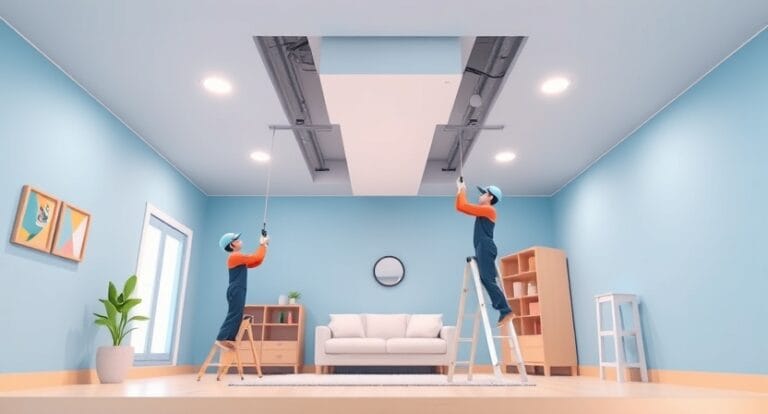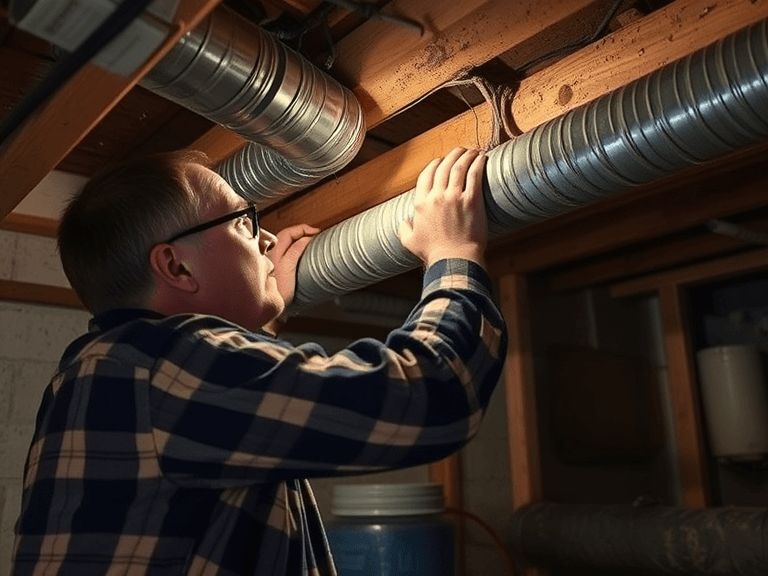


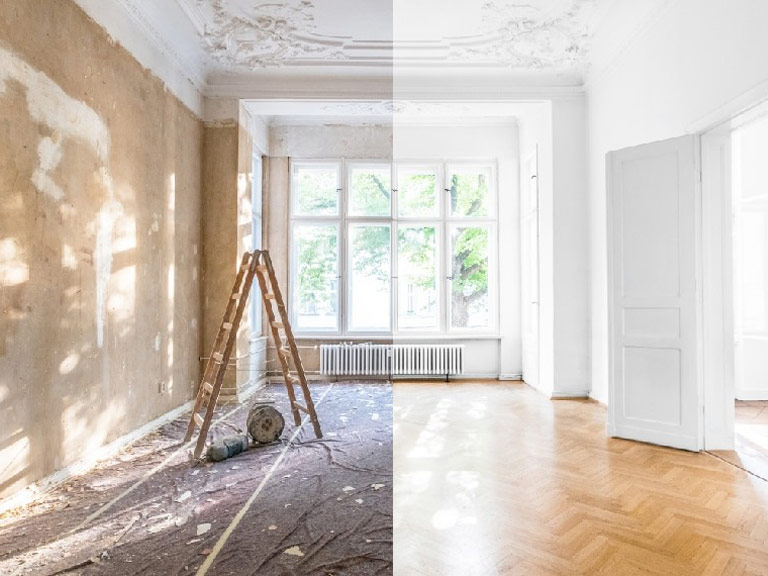
After a kitchen remodel, flooring replacement, or major renovation in an existing Raleigh home, drywall and wood dust may enter supply or return ducts—particularly if registers were uncovered or the HVAC system ran during construction. Before arranging cleaning, the useful first step is to inspect the ducts and identify whether renovation debris actually entered the system. Our air duct cleaning Raleigh team can inspect accessible ductwork, explain any findings, and provide a written quote if cleaning is warranted. This guide explains what to check after remodeling, when to schedule an inspection, and how renovation cleanup differs from ordinary household dust.
📞 Schedule Your Post-Renovation Duct Cleaning: 984-301-8445
1. When Renovation Dust Gets Into Existing Air Ducts
Renovation work can generate large quantities of dust, but that does not mean every remodeled home needs its duct system cleaned. The important questions are whether vents were protected, whether the HVAC ran while contractors were sanding or cutting, and whether you can see debris in the registers or accessible ducts.
Construction Dust: More Than Just a Nuisance
During renovations in Raleigh homes, construction activities generate substantial amounts of dust containing:
- Fine particles of drywall
- Wood dust from cutting and sanding
- Insulation fibers
- Concrete and brick dust
- Paint particles and chemical residues
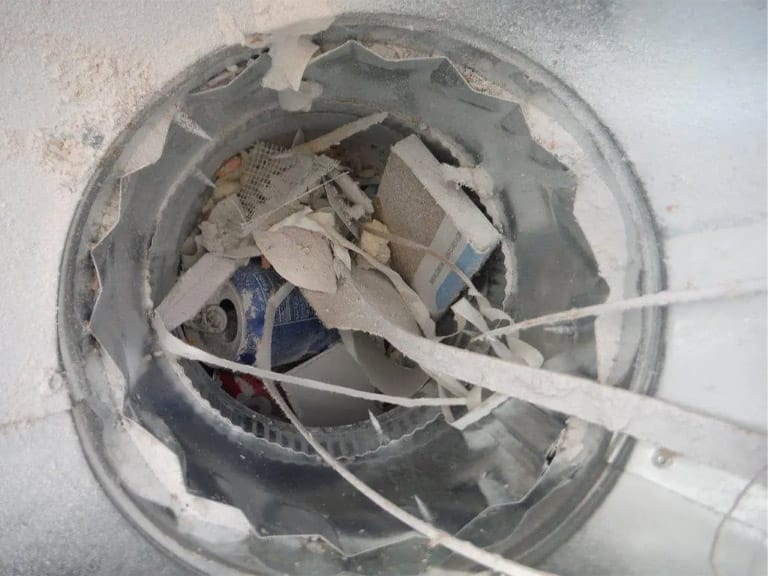
Dust can enter supply and return openings when covers are missing or work is performed nearby. A layer of dust on furniture is not proof that the duct system is contaminated. Check accessible registers and filters first; an inspection can determine whether debris deeper in the ducts calls for cleaning.
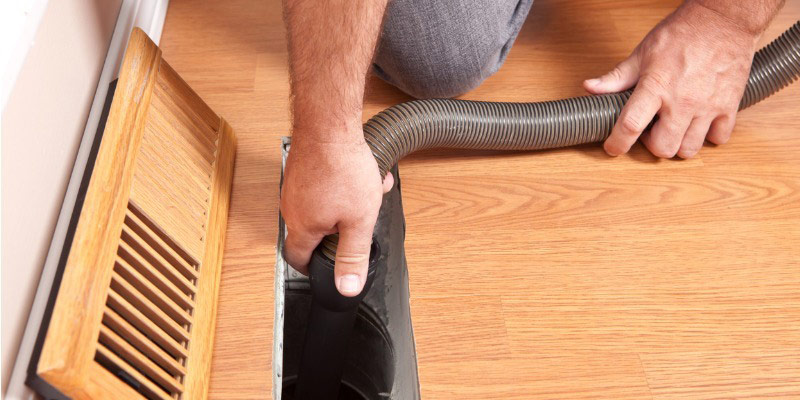
When inspection shows meaningful debris inside the ductwork, trained technicians can use contained negative-pressure collection and appropriate agitation methods to remove it from affected duct runs.
Moisture Concerns After Remodeling
Humidity alone does not prove mold is growing in ductwork. Look instead for actual moisture, condensation, water damage or suspected growth in accessible HVAC components. If moisture is present, its source must be identified and corrected. Warning signs can include:
- Musty odors throughout your home
- Visible moisture or staining around HVAC components
- Visible suspected growth on accessible surfaces
- Wet or deteriorated duct insulation
If an inspection identifies debris, cleaning can address that debris. It is not a substitute for correcting moisture problems or a proven treatment for allergies.
2. When Renovation Debris Can Affect an HVAC System
An inspection is worthwhile when debris is visible inside the system, supply registers emit particles during operation, or filters quickly load with construction dust. Possible effects depend on where and how much material entered the HVAC system.
Airflow Restrictions and Dirty Components
Substantial debris blocking ducts, filters or HVAC components can restrict airflow. Ordinary light dust on duct surfaces does not establish reduced efficiency. Where restrictions exist, they may contribute to:
- Reduced airflow at affected supply registers
- Filters becoming loaded with construction dust unusually quickly
- Additional maintenance for affected HVAC components
- HVAC performance concerns that warrant evaluation by the appropriate contractor
For a detailed breakdown of service pricing, see our guide to the cost of duct cleaning in Raleigh. Actual scope and price are confirmed after a free on-site inspection. Call 984-301-8445.
Health Claims: What Can and Cannot Be Concluded
Duct cleaning has not been shown to prevent health problems. According to the EPA, specific reasons to consider cleaning include visible mold growth inside hard-surface ducts or other HVAC components, vermin infestation, or excessive dust and debris released from supply registers. If suspected mold is found in the HVAC system, our HVAC mold remediation services focuses on HVAC and duct components, with the appropriate assessment and scope determined from inspection. We do not offer whole-house structural mold remediation.
- Visible dust or debris may be discharged through supply registers
- Construction dust may remain in accessible duct sections
- Dust on surfaces may come from several sources outside the ductwork
- Moisture and suspected growth require separate assessment
Warranty and Equipment Claims
It is not possible to calculate how many years of equipment life a particular duct cleaning will add. Instead, homeowners should:
- Check filters and accessible HVAC components for renovation debris
- Ask the HVAC installer to evaluate operating problems
- Read manufacturer and installer warranty terms rather than assuming duct cleaning is a warranty requirement
3. When to Inspect Ducts After Renovation
Schedule any needed duct cleaning after dust-producing work ends and final construction cleanup is complete. For general seasonal considerations, our guide on the best time to schedule duct cleaning in Raleigh covers optimal windows by season and household type.
Best Timing: After Dust-Producing Work Is Finished
If inspection shows cleaning is necessary, plan it:
- After sanding, cutting, drywall work and other major dust sources are finished
- After the contractor has removed debris and cleaned the work area
- Before normal use of affected areas when scheduling permits
- At a practical time for access to registers and HVAC equipment
If the Renovation Runs Into Summer or Winter
The project completion date matters more than the season. A few practical considerations:
- Spring: Inspect after remodeling and before major spring HVAC use if construction debris is visible.
- Fall: Finish dust-producing work before any duct cleaning so the system is not immediately recontaminated.
- Summer: Check for actual condensation or moisture problems, not just ordinary humidity.
- Winter: Arrange practical access to your HVAC system and avoid unnecessary disruptions to heating.
4. The Professional Post-Renovation Duct Cleaning Process in Raleigh
DuctNClean evaluates each home and adjusts the cleaning scope to the visible debris, duct material, accessibility and HVAC configuration.
1. Comprehensive Inspection
Before recommending cleaning, our technicians inspect accessible sections of the system and may use camera equipment when appropriate to:
- Assess the extent of construction debris in your ductwork
- Flag visible duct damage, moisture or suspected growth for further assessment
- Document the condition of your ducts before cleaning
- Explain what cleaning is warranted and provide a written estimate
2. System Protection and Preparation
Preparation depends on the home and the selected method, but may include these steps:
- We shut down your HVAC system
- Protect flooring, furniture and nearby finished surfaces as needed
- Isolate or protect components that should not be exposed to cleaning debris
- Create negative pressure to prevent debris from spreading
3. Thorough Debris Removal
Using specialized equipment designed for post-renovation cleanup:
- Appropriate vacuum collection captures loosened debris
- Suitable brushes or air-driven tools loosen debris where compatible with duct material
- Air-driven tools reach suitable sections that cannot be cleaned manually
- Collection and containment methods limit dust escaping into occupied spaces
After remodeling, inspection may reveal drywall dust, sawdust or other debris inside HVAC ducts. When cleaning is justified, our post-renovation duct cleaning Raleigh service targets the identified debris. Results depend on the system condition and cannot be guaranteed for air quality or energy savings.
4. Optional Deodorizing or HVAC Mold Assessment
Chemical treatment is not a routine requirement after renovation. Depending on inspection findings, options may include:
- Optional HVAC deodorizing when a suitable product and application are appropriate
- Product-specific application following the EPA-registered label, where applicable
- Clear discussion of product restrictions, occupancy and re-entry requirements
- Explanation that paint, adhesives and flooring odors outside ductwork cannot be solved by cleaning ducts
If suspected microbial growth is visible in the HVAC system, ask for a separate assessment. Cleaning dust and deodorizing ductwork are not the same as mold remediation.
5. Final Inspection and Documentation
After cleaning, we review the completed scope and check accessible work areas. Depending on the job, this may include:
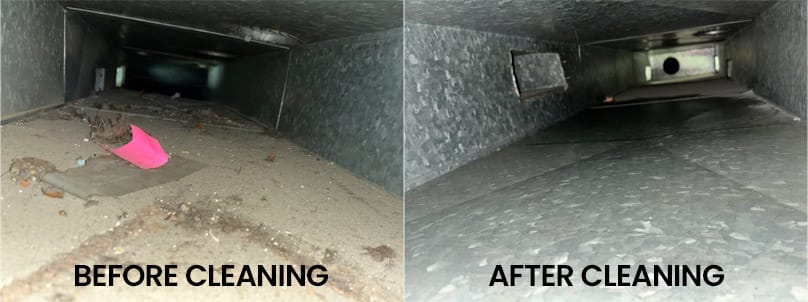
- Post-cleaning visual or camera checks of accessible sections
- Before-and-after photographs when available
- Confirmation that registers and disturbed access points are reassembled
- A walkthrough of findings and any remaining concerns
5. DIY vs. Professional Duct Cleaning After Renovations
While some Raleigh homeowners consider DIY duct cleaning to save money, this approach has significant limitations after renovations:
Limitations of DIY Approaches
- Household vacuums can clean accessible registers but usually cannot reach long duct runs
- Without proper equipment, you may inadvertently damage ductwork
- DIY methods typically can’t reach deep into duct systems
- Suspected asbestos, lead-based paint debris or other hazardous materials require appropriate specialist evaluation; ordinary duct cleaning should not disturb them
Benefits of Professional Post-Renovation Duct Cleaning
- Dedicated collection equipment and controlled debris removal
- Specialized tools designed specifically for construction debris
- A defined scope that identifies the duct sections and components to be serviced
- Identification of moisture or suspected growth that needs separate attention
- Documentation of completed work when requested
For a full comparison of costs, results, and risks, read our dedicated guide on DIY vs professional duct cleaning in Raleigh before making your decision.
6. Special Considerations for Different Renovation Projects in Raleigh
The best inspection points differ by the type of work completed. A remodel does not automatically justify full-system cleaning.
Kitchen Renovations
Kitchen remodels may release:
- Fine wood dust from cabinet installation
- Drywall dust from backsplash preparation
- Adhesive or finishing odors that may come from surfaces outside ductwork
- Dust entering return registers if contractors did not cover them
Inspect returns and accessible ductwork for remodeling debris. Grease or cooking odors may have a different source and should not be assumed to originate inside HVAC ducts.
Bathroom Renovations
Bathroom remodeling may generate dust near existing HVAC supply or return registers. Relevant concerns include:
- Water exposure to nearby HVAC materials, if it occurred
- Tile, grout or cutting dust that might enter an uncovered HVAC register
- Drywall and finishing dust near ducts
- Suspected growth requiring inspection if HVAC components became wet
Our air duct inspection concerns the HVAC supply and return system, not bathroom exhaust-fan cleaning, which is a separate system.
Whole-Home Renovations or Additions
Larger renovations can expose more HVAC openings to dust, particularly if work continues for weeks or multiple rooms are affected:
- Zone-by-zone cleaning strategies
- Special attention to areas where walls or ceilings were opened
- Inspection of connected duct runs before defining the cleaning scope
- Separate evaluation of moisture concerns rather than automatic chemical treatment
For commercial remodels, the duct-system size, accessibility and work scope should be assessed separately.
New Construction Duct Cleaning
An addition to an existing house may connect new duct runs to an older system. Important steps include:
- Inspecting new and connected existing duct sections for debris
- Waiting until dust-producing finish work is complete before cleaning
- Confirming any concerns with installation residues before recommending cleaning
- Referring HVAC installation or airflow-balancing problems to the responsible HVAC contractor
For more specific information about newly built homes, review our specialized guide on new construction duct cleaning in Raleigh for pre-move-in inspection guidance. Ask the builder whether the ducts were protected and cleaned, and request documentation where available.
7. What to Expect From a Professional Cleaning Company
When choosing a provider, focus on a clear scope, safe cleaning methods and straightforward documentation—not unverifiable claims.
Training, Equipment and Scope
Ask about practical qualifications rather than assuming membership in any specific trade association:
- Training in safe duct cleaning and the equipment used
- Methods appropriate for rigid or flexible duct material
- Clear explanation of what is included in the written quote
- Insurance coverage and clear arrangements for any licensed HVAC work
Documentation and Verification
Ask your contractor what documentation is available, such as:
- Before and after photos or videos of your ductwork
- Documentation of work performed
- Results of any separately arranged testing, if performed
- Recommendations for future maintenance based on your specific renovation
Removing significant debris can address a specific cleanliness issue, but savings and health outcomes cannot be guaranteed. For a broader explanation, read our guide to the benefits of duct cleaning for Raleigh homeowners.
8. Cost Factors for Post-Renovation Duct Cleaning in Raleigh
Several factors influence the cost of post-renovation duct cleaning in the Triangle area:
System Size and Complexity
- Number of vents and returns
- Square footage of renovated space
- Accessibility of ductwork
- HVAC system configuration
Level of Contamination
- Type of renovation completed
- Duration of the construction project
- Whether dust containment methods were used
- Pre-existing duct conditions
Additional Services Required
- Optional deodorizing when appropriate
- Mold remediation if discovered during inspection
- Duct repairs if damaged during renovation
- Any separately requested testing
Typical Post-Renovation Air Duct Cleaning Costs in Raleigh
Professional post-renovation air duct cleaning costs depend on the size of your home, the number of HVAC systems, ductwork accessibility, and the amount of construction debris left behind.
At DuctNClean, air duct cleaning starts at $690. Most Raleigh-area homes fall between $800 and $3,500, depending on home size, number of HVAC systems and duct condition. We inspect first and provide a written quote before work begins.
Renovation projects may require additional attention when drywall dust, sawdust, insulation particles, or other construction debris have accumulated throughout the ductwork.
Additional work, such as HVAC-specific mold remediation or duct repairs, is evaluated and quoted separately when needed.
We don’t offer misleading low-price duct cleaning packages. Instead, we provide a free, no-obligation inspection to assess your HVAC system and recommend the appropriate cleaning scope.
9. How to Choose the Right Duct Cleaning Company in Raleigh
Not all duct cleaning Raleigh services are equally equipped to handle post-renovation cleaning. When searching for “duct cleaning near me after renovation” services, here’s what to look for:
What to Check Before Booking
Look for providers with:
- Specific experience with post-renovation cleaning
- Trained technicians who can explain the method and equipment
- Strong local reputation and reviews
- Proof of insurance and clarity about who performs the work
- Clear, detailed written estimates
Red Flags to Avoid
Be wary of companies that:
- Offer unusually low prices (under $200)
- Cannot explain how their equipment controls and collects loosened debris
- Cannot provide before/after documentation
- Are unwilling to conduct a thorough inspection before quoting
- Make extreme claims about health benefits
Questions to Ask Before Hiring
- “What specific equipment do you use for post-renovation duct cleaning services?”
- “How will you protect my newly renovated spaces during cleaning?”
- “Can you provide references from similar post-renovation projects?”
- “Is any optional treatment actually warranted by the inspection, and what is its label-approved purpose?”
- “How do you verify the cleaning was successful?”
A suitable contractor should explain findings, recommend cleaning only where justified and describe exactly what the quote covers.
10. Maintaining Clean Ducts After Your Renovation
After investing in post-renovation duct cleaning, protect your indoor air quality with these maintenance practices:
Immediate Post-Cleaning Practices
- Inspect the filter after dusty work and replace it if loaded; follow its manufacturer guidance
- Avoid running your system during any remaining finish work
- Complete all painting and finishing before running HVAC extensively
- Consider using standalone air purifiers during the settling period
Long-Term Maintenance Schedule
For Raleigh homeowners, we recommend:
- Check filters regularly and replace according to the filter and HVAC manufacturer, adjusting for actual dust loading
- Arrange duct inspection when there is a specific concern, rather than assuming a fixed inspection cycle
- As a general planning interval, DuctNClean recommends considering duct cleaning every 8–12 years, sooner if a renovation or visible debris justifies it
- Annual HVAC system maintenance to ensure proper operation
Air Quality Monitoring
Consider investing in:
- Basic indoor air quality monitors
- Programmable thermostats with filter change reminders
- Professional air quality testing if health concerns arise
11. The DuctNClean Difference for Raleigh Post-Renovation Projects
DuctNClean serves Raleigh, Wake Forest, Cary, Apex and nearby communities. For renovation-related debris, we apply our inspection-first approach used in our air duct cleaning Raleigh NC service, adapting the scope to the work completed and the condition of the ducts.
Our Specialized Equipment
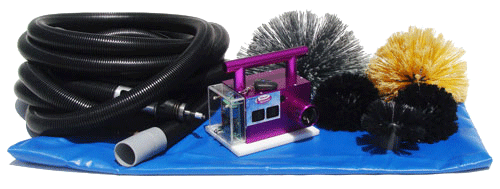
- We use air-driven agitation tools and negative-pressure collection methods selected for the duct material and debris found.
- HEPA-filtered collection systems that prevent debris recirculation
- Specialized agitation tools designed specifically for construction debris
- Camera inspection of accessible areas when appropriate
Our Post-Renovation Expertise
- Trained technicians familiar with construction dust and duct cleaning methods
- Experience assessing ductwork after a range of remodeling projects
- Understanding of local building materials and construction methods
- Attention to moisture where there is actual evidence of an HVAC issue
Our Service Area
We inspect and clean ductwork after remodels and renovations in homes across Raleigh, Wake County and the Triangle, including:
- Raleigh and North Raleigh
- Wake Forest duct cleaning
- Air duct cleaning Cary NC
- Air duct cleaning Apex NC
- Morrisville, Garner and Holly Springs
- Knightdale, Wendell, Rolesville and Zebulon
- Clayton, Fuquay-Varina and the RTP area
- air duct cleaning Durham NC
View our complete service coverage area.
DuctNClean serves Raleigh-area homeowners and offers free on-site inspections before preparing a scope of work. Request a free inspection to discuss renovation-related concerns.
More Air Duct Cleaning Advice for Raleigh Homeowners
Finished your renovation? Keeping your HVAC system clean doesn’t stop there. Learn how to recognize future dust buildup, determine when your ducts may need attention again, and maintain your system between professional cleanings. Explore our Raleigh Air Duct Cleaning Guides for more practical homeowner advice.
12. Frequently Asked Questions – Post-Renovation Duct Cleaning in Raleigh
Do I really need duct cleaning after a renovation in Raleigh?
Not automatically. Drywall, wood or insulation dust can enter uncovered HVAC openings during remodeling, especially if the system was running. Check registers, filters and accessible ductwork first. Cleaning makes sense when inspection shows substantial debris inside the system.
How soon should I schedule post-renovation duct cleaning?
After sanding, cutting, drywall finishing and other dust-producing work is complete and the contractor has finished cleanup. There is no universal 2–7-day rule; the best date depends on the project and access to the HVAC system.
Does post-renovation duct cleaning help with dust and allergies?
Cleaning can remove construction debris when it is present in ductwork, but the EPA says duct cleaning has not been shown to prevent health problems. Symptoms should not be used as proof that ducts require cleaning.
Is duct cleaning necessary even for small renovations?
Not necessarily. Small projects can produce dust, but the need for duct cleaning depends on whether debris actually entered the HVAC system. Look for uncovered registers, dust discharged from vents or debris visible inside accessible ducts.
Can post-renovation duct cleaning prevent mold growth?
Cleaning removes debris but cannot guarantee mold prevention. Moisture control is essential. If you see suspected growth or water damage in HVAC components, arrange an appropriate assessment and correct the moisture source.
How often should ducts be cleaned after renovations in Raleigh?
After a renovation, inspect and clean if the system contains significant debris. For routine planning, DuctNClean suggests considering air duct cleaning every 8–12 years, sooner when inspection findings or renovation-related debris justify it.
Is professional duct cleaning better than DIY after construction?
You can clean accessible register covers and replace loaded filters yourself. Deeper duct runs generally require suitable collection and agitation equipment. Avoid disturbing suspected hazardous building materials.
Does post-renovation duct cleaning improve HVAC efficiency?
Cleaning can restore airflow if a significant blockage is removed. It does not automatically lower utility bills or increase HVAC lifespan; results depend on the actual system condition.
Should I replace HVAC filters after duct cleaning?
Inspect the HVAC filter after dusty renovation work and replace it if loaded. Follow your HVAC and filter manufacturer instructions for later replacement intervals.
Commercial facilities, including schools and daycares, require a separate assessment of building systems and appropriate scheduling; no health outcomes are guaranteed.
Conclusion: Inspect First, Then Clean Where Needed
After a remodel, a clear inspection can tell you whether dust entered the HVAC system or remained confined to living spaces. Post-renovation duct cleaning in Raleigh is worth considering when actual debris is found in the ducts; it is not mandatory after every project.
If ductwork was damaged during remodeling, document the condition and ask whether the repair requires a licensed HVAC contractor. Duct cleaning does not replace installation, equipment repair or airflow balancing.
A useful starting checklist is simple: finish dusty work, check filters and accessible registers, document any visible debris, and arrange an inspection if the HVAC system appears affected.
DuctNClean can inspect your system, explain findings and quote the work that is actually needed.
📞 Schedule Your Post-Renovation Duct Cleaning: 984-301-8445
Request a free inspection for renovation-related debris. We will review the system and provide a written quote if cleaning is warranted.