



Your home’s HVAC system works hard to keep your family comfortable year-round, but one important part of regular maintenance often goes overlooked: the air ducts. These hidden pathways collect dust, pet dander, pollen, and debris that deserve a closer look when they begin affecting vents and airflow. Recognizing the signs you need duct cleaning Raleigh NC homeowners see can keep your home cleaner, your airflow strong, and your HVAC system in good shape.
Raleigh’s humid summers and heavy pollen seasons affect ductwork. Moisture, pets, renovations, and daily household activity add to buildup. Knowing the signs helps Triangle homeowners schedule a free inspection when needed.
For details on our process and inspection-first service, explore our air duct cleaning Raleigh NC page and see how we clean accessible ducts, registers, blower housing, and the indoor evaporator coil.
1. Signs You Need Duct Cleaning Raleigh NC: What to Watch For
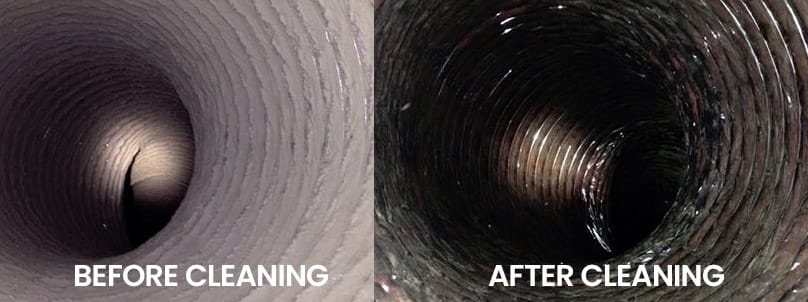
Your vents and HVAC system provide clues when it is time for a closer look. Recognizing these duct cleaning warning signs helps Raleigh homeowners address visible buildup, unusual odors, and airflow concerns before small maintenance issues grow.
Musty or Stale Odors from Vents
One of the clearest warning signs is an unpleasant odor when the HVAC system starts. Musty, stale, or sour smells can come from moisture around indoor components, damp debris, or suspected mold. A free inspection gives you a clearer picture of where the odor begins and which parts of the HVAC system need attention.
In Raleigh’s humid climate, condensation around poorly insulated ductwork or indoor HVAC components can leave buildup damp. When the system runs, air moves past the affected areas, spreading the smell every time the system runs. We inspect accessible ductwork, the blower, and the evaporator coil to identify concerns and explain the next steps.
The U.S. EPA suggests considering duct cleaning when there is substantial visible mold growth, signs of vermin, or ducts clogged with excessive dust and debris, or when particles are released into the home from the supply registers.
What causes these odors:
- Mold and mildew growth in damp ductwork
- Accumulated dust and debris that has become damp
- Dead insects or small animals in the duct system
- Bacterial growth from moisture buildup
- Cigarette smoke or cooking odors trapped in dust
If odors continue after routine cleaning, have the ductwork and indoor HVAC components inspected. Removing trapped debris addresses one common odor source. After cleaning, our optional sanitizing add-on uses an EPA-registered product that helps control odors and inhibits mold, mildew and bacteria in the ductwork. When we find mold in your HVAC system, we remove it from the affected components, then apply an EPA-registered treatment to help keep it from coming back. We also point out the moisture source so it can be fixed. Read about our professional HVAC mold treatment in Raleigh.
Rising Energy Bills
If your energy bill rises or the HVAC system runs longer than usual, inspect airflow at vents and returns. Restrictions can develop from blocked registers, heavily loaded filters, or debris around the blower and indoor evaporator coil. Our free inspection checks accessible components and identifies buildup that needs cleaning so conditioned air has a clearer path through the system.
How dirty ducts increase energy consumption:
- Reduced airflow efficiency requires longer run times
- Clogged vents and registers restrict air movement
- Dirty coils and components reduce heat transfer efficiency
- System components work harder and wear faster when airflow stays restricted
Removing the buildup lets air move freely again, so your system doesn’t have to work as hard. Our technicians clean the ducts, registers, blower and housing, air handler, and indoor evaporator coil, then document the completed work with before-and-after photos.
Signs your energy bills indicate duct problems:
- Gradual increases over several months without rate changes
- Significant spikes during peak heating or cooling seasons
- Higher bills compared to neighbors with similar homes
- HVAC system running longer cycles to reach set temperatures
Longer HVAC run times can be a useful reason to inspect the filter, registers, blower, and coil. Learn more about the benefits of professional duct cleaning, including better airflow and a cleaner HVAC system.
Excessive Dust or Pet Hair Around Vents
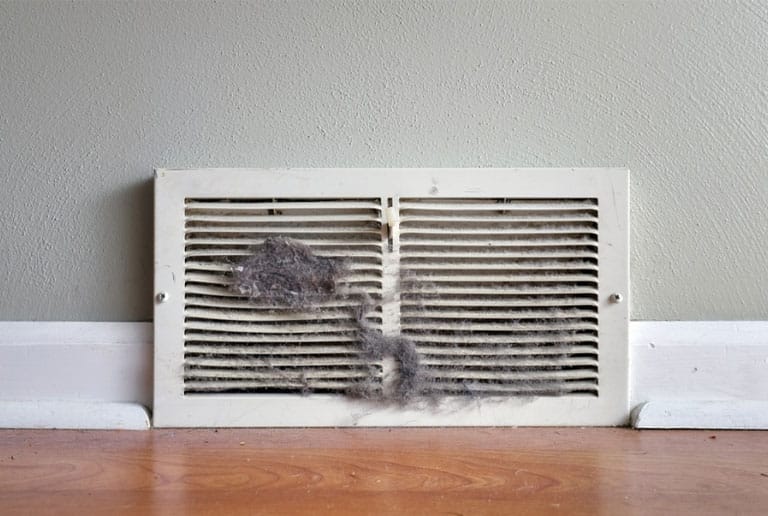
Dust at registers, pet hair near returns, or debris blowing from supply vents are reasons to look inside the ducts. If buildup in the ductwork is being pushed back into the room, professional cleaning removes that material at its source. We also inspect filters and return openings, where pet hair and everyday dust commonly collect.
Common dust and debris indicators:
- Dark streaks or discoloration around vents
- Visible dust bunnies near air returns
- Pet hair accumulating despite regular cleaning
- Dust settling on furniture shortly after cleaning
- Visible particles in sunlight streaming through rooms
Raleigh’s seasonal pollen adds another source of particles entering homes on clothing, through doors, and through normal household activity. Some collects at returns or settles on duct surfaces. After pollen season, check filters and registers for visible buildup, and schedule an inspection when dust or debris appears in the airflow.
Homes with pets often collect hair and dander near return grilles. Checking filters and duct surfaces helps identify where cleaning is needed. Discover why Raleigh pet owners need regular duct cleaning and learn which maintenance steps matter for a home with animals.
Pet-specific duct contamination includes:
- Animal hair and dander trapped in duct bends
- Hair packed around return grilles and the edges of return openings
- Dander settling on the blower housing and indoor evaporator coil
- Extra dust collecting on filters and accessible duct surfaces
More Dust When Allergy Season Hits
During Raleigh’s pollen season, the amount of visible dust around a home can increase. Homeowners with pets or allergy-sensitive family members often pay especially close attention to the condition of filters, supply registers, and duct interiors. Here are the everyday signs worth watching before you schedule a free inspection.
What homeowners notice:
- Dust on furniture soon after a thorough household cleaning
- Sneezing when the HVAC system kicks on during pollen season
- A visible pollen film around supply or return registers
- A dusty smell when conditioned air starts moving
- Dust returning within days despite regular cleaning
- Filters needing replacement more frequently than usual
Tree pollen in spring, grass pollen in summer, and ragweed later in the year enter homes through everyday activities. These warning signs are worth checking during Raleigh pollen season, especially when filters and registers collect visible dust. A duct inspection shows whether buildup is present beyond the vent openings and whether the blower or indoor coil needs cleaning.
Wake Forest homes with tree-covered lots and pets can collect pollen and dander around returns. During our inspection we look for buildup, explain the condition of accessible duct surfaces, and discuss the value of a complete cleaning. Learn how our air duct cleaning Wake Forest NC service addresses these concerns.

Families with kids, pets, or allergy-sensitive members often appreciate a clean starting point for HVAC maintenance. We show before-and-after photos from every cleaning job so you can see the dirt removed from ducts and important indoor components rather than guessing about what was inside.
Our guide to how dirty air ducts affect allergies in Raleigh homes explains what cleaner ducts change for allergy-sensitive households and how to manage dust, pollen, and dander around HVAC equipment.
Uneven Airflow or Room Temperatures
Weak airflow or uneven room temperatures are practical reasons to check registers and the duct system. Heavy debris can restrict air in certain areas, while filter issues, closed dampers, and damaged duct sections can create similar symptoms. Our inspection starts with accessible vents and indoor HVAC components to identify visible problems.
Signs of airflow problems:
- Some rooms consistently warmer or cooler than others
- Weak air movement from specific vents
- Doors slamming shut when HVAC system starts
- Difficulty maintaining set thermostat temperatures
- Some areas of the house rarely reach comfortable temperatures
Two-story homes in Wake Forest and Cary sometimes have noticeable temperature differences between floors. We check for debris and restrictions in accessible duct sections, but a duct layout or equipment issue may also be involved. Cleaner duct interiors and open registers give conditioned air a clearer path, and we explain any issues that warrant HVAC service. It’s one of the most common reasons homeowners call for air duct cleaning Cary NC.
Factors affecting airflow in Triangle area homes:
- Two-story homes with complex ductwork layouts
- Additions or renovations that altered original duct design
- Flexible ductwork that can sag or kink over time
- Undersized ducts in older homes with HVAC upgrades
Visible Mold or Mildew Around Vents
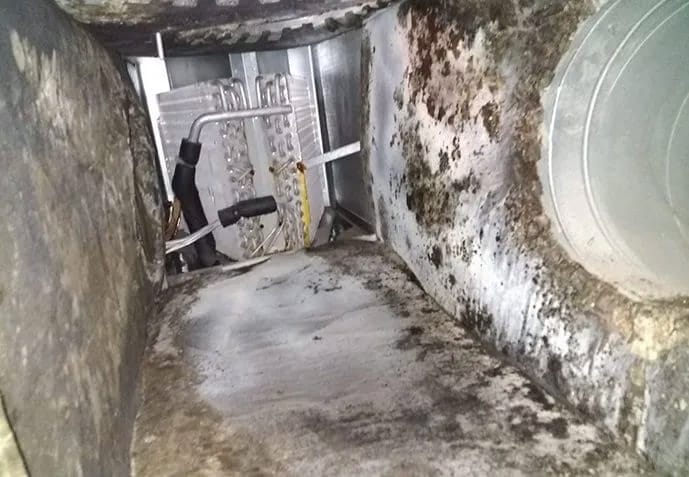
Suspected mold or discolored material around registers calls for a prompt inspection. Moisture near the ductwork, blower housing, or indoor evaporator coil deserves attention because the source must be addressed along with any affected components. We inspect the accessible HVAC system and explain what we find before recommending treatment.
Where to look for mold indicators:
- Black, green, or white discoloration around vent openings
- Fuzzy or powdery growth on registers or grilles
- Water stains or mineral deposits near vents
- Peeling paint or wallpaper around air returns
- Persistent musty odors even after cleaning visible surfaces
Raleigh’s humid summers can contribute to condensation around poorly insulated ductwork and indoor HVAC components. When you see damp materials, staining, or suspected mold, a free inspection helps identify the affected area and the moisture source.
What we check when mold is suspected:
- Registers and grilles for suspicious spots, staining, and moisture
- The indoor evaporator coil and nearby drain area for moisture
- The blower wheel and blower housing for visible buildup
- Accessible duct interiors near the air handler and return openings
- The source of moisture, including condensation or leaks that need correction
When we find mold in your HVAC system, we remove it from the affected components, then apply an EPA-registered treatment to help keep it from coming back. We also point out the moisture source so it can be fixed. Don’t try DIY mold removal in ductwork—it can spread spores.
Signs of Pest Infestation
Evidence of rodents, insects, or nesting activity inside ducts calls for an inspection and cleanup. Pest activity can leave waste, hair, and nesting debris in the air-distribution system. Our technicians check accessible ductwork for contamination and point out damaged or open sections that allow new debris to enter.
Common pest indicators in ductwork:
- Scratching or scurrying sounds from within walls or ceilings
- Droppings or urine stains around vents
- Chewed or damaged ductwork materials
- Nesting materials like paper, fabric, or insulation debris
- Strong ammonia odors from animal waste
- Dead insects or small animals near vents
Wake County’s suburban setting provides ample opportunities for wildlife to seek shelter in homes, particularly during extreme weather. Squirrels, mice, and various insects can infiltrate ductwork through small openings, creating ongoing contamination issues.
When nesting materials or pest debris are found, we remove the accessible material and clean the affected ducts. Optional sanitizing can be included in your written estimate. We also point out damaged or open duct sections, and duct sealing is available to close accessible gaps after the pest entry issue is addressed.
2. How Raleigh’s Environment Makes These Signs Worse
Raleigh’s pollen, humid summers, and mix of older and newer construction make duct inspection useful when visible dust, moisture, or debris develops. Understanding when to clean air ducts Wake Forest homes and other Triangle properties comes down to checking the actual condition of the system.
Raleigh’s Climate Challenges:
Our humid subtropical climate brings moisture concerns during summer, especially for ducts in attics or crawl spaces. Condensation near indoor HVAC components and heavy debris in return ducts can create odor and maintenance problems. If you see warning signs, our air duct cleaning Raleigh team can inspect accessible ducts and recommend the right cleaning steps.
Spring pollen in Raleigh can coat cars, porches, and windows in yellow-green dust. Pollen also enters homes through doors, clothing, and open windows and can settle in the ductwork or on filters. Inspecting returns and registers after heavy pollen weeks gives you an early view of any accumulation.
Construction and Housing Factors:
Many Raleigh area homes feature crawl space construction, which can contribute to moisture and air quality issues. Older homes may have ductwork installed in unconditioned spaces where temperature differentials create condensation problems. Newer construction sometimes features complex ductwork layouts that can trap debris in hard-to-reach areas. That’s common in Apex’s newer subdivisions, where our air duct cleaning Apex NC team often finds construction debris.
Wake Forest and Cary have neighborhoods built across several decades with different duct layouts. Some homes have hard-to-reach duct runs, older connections, or return configurations where debris gathers. Our inspection identifies accessible buildup and visible duct concerns before we prepare a written quote.
Regional Allergen Concerns:
Beyond pollen, the Triangle region hosts various molds, dust mites, and other allergens that thrive in our climate. Red clay soil common in our area can contribute to dust issues, while proximity to both urban pollution and rural agricultural activities creates a complex mix of potential indoor air contaminants.
3. HVAC Duct Troubleshooting vs. Dirty Ducts
Understanding the difference between HVAC system malfunctions and dirty ductwork helps homeowners make informed decisions about maintenance and repairs. While some symptoms overlap, proper diagnosis ensures you address the root cause of comfort and efficiency problems.
Dirty Duct Symptoms:
- Gradual decrease in air quality over months or years
- Odors that worsen when system operates
- Dust accumulation despite regular cleaning
- Dusty smell when the HVAC system starts up
- Energy bills that increase gradually over time
HVAC System Issues:
- Sudden loss of heating or cooling capacity
- Strange noises from equipment units
- Frequent cycling on and off
- Visible ice formation on outdoor units
- Electrical problems or blown fuses
Many problems actually involve both dirty ducts and system maintenance needs. A professional assessment can identify whether your issues stem from contaminated ductwork, equipment problems, or a combination of factors requiring comprehensive attention.
When Professional Diagnosis Matters:
Our trained technicians inspect accessible ductwork, registers, the air handler, blower, and indoor evaporator coil. They take photos of visible debris and moisture concerns, explain the condition of the system, and provide a written quote before work begins. This inspection helps you decide whether duct cleaning, sealing, or another type of HVAC maintenance is appropriate.
Equipment problems such as no cooling, electrical issues, or a gas smell need a qualified HVAC technician. We’ll tell you if we notice signs of a problem that requires that kind of service, so you can arrange the right repair while we focus on duct cleaning and inspection.
4. DIY vs. Professional Duct Cleaning in Raleigh
While basic upkeep like vacuuming registers and changing filters is within reach for many homeowners, deeper duct cleaning takes specialized equipment. Portable negative-air vacuum systems and rotary brushes reach areas that household attachments cannot clean thoroughly. Professional service also includes a free inspection and photo documentation to show what was actually removed from your home.
DIY Limitations:
- Surface cleaning only addresses visible contamination
- Lack of specialized equipment for deep cleaning
- Inability to access entire ductwork system
- Risk of damaging flexible ductwork or components
- No way to sanitize or treat mold contamination
- Missing moisture sources that cause recurring problems
Professional Advantages:
- Free visual inspection checks accessible ducts and indoor HVAC components
- Specialized equipment removes embedded contamination
- Optional sanitizing treatment quoted with your estimate
- Blower and indoor evaporator coil cleaning during duct service
- Identification and sealing of air leaks
- Before-and-after photos document every cleaning job
Professional duct cleaning uses portable negative-air vacuum systems and rotary brushes or agitation tools to dislodge and capture debris inside accessible supply and return ducts. We also clean registers, the blower and housing, air handler, and indoor evaporator coil. Every visit begins with a free inspection and a written quote so homeowners understand the cleaning plan before any work starts.
After cleaning, we can apply our optional sanitizing treatment, an EPA-registered product that helps control odors and inhibits the growth of mold, mildew and bacteria in the ductwork. This add-on is quoted with your estimate. Duct sealing and properly sized filter replacement are also available when the inspection shows they are needed.
For a detailed comparison of approaches, review DIY vs professional duct cleaning in Raleigh to understand why expert service provides superior results and long-term value.
Professional Inspection Benefits:
- Before photos show buildup in accessible ductwork
- Airflow check at the vents identifies obvious restrictions
- Moisture and suspected mold check at accessible HVAC components
- System optimization recommendations
- Written quote supplied before work begins
5. Ready for a Cleaner Home?
Recognizing duct cleaning warning signs helps Raleigh homeowners make timely maintenance decisions. Visible debris at registers, odors at startup, and restricted airflow are good reasons to request a free inspection. Our technicians remove accumulated buildup and document the result, giving you a cleaner home and clearer information about the condition of the duct system.
Professional duct cleaning addresses accumulated dust and debris in ducts and key indoor HVAC components. We clean the blower and indoor evaporator coil, remove buildup around registers, and inspect for moisture concerns. Optional sanitizing and duct sealing are available when needed, and we give you a written quote before any work begins.
For Raleigh area homeowners, timing matters when scheduling duct cleaning services. Understanding how often Raleigh homeowners should schedule duct cleaning helps you maintain optimal indoor air quality year-round while maximizing the value of your investment.
Thorough Raleigh air duct cleaning starts with a detailed inspection and careful work from trained technicians. DuctNClean documents each job with before-and-after photos and provides a written quote so you know the scope of service before cleaning begins.
Take Action Today:
We serve Raleigh, Wake Forest, Cary, Apex, Knightdale and nearby Triangle communities. South of Raleigh, our air duct cleaning Garner NC customers get the same free inspection and written quote. Every job is done by our own trained technicians, and DuctNClean is fully insured. A free inspection and written quote come before any cleaning work begins.
If you notice buildup, debris at the vents, or persistent odors, contact our Raleigh team for a free inspection. Pricing starts at $690; most Raleigh-area homes are $800–$3,500, with a written quote based on your system. Our equipment and photo documentation show what cleaning involves. We schedule Monday–Saturday, 8 AM–6:30 PM, closed Sunday.
Ready to see what is inside your ducts? Our free inspection provides clear recommendations and a written quote before work begins.
Call our Raleigh duct cleaning team at 984-301-8445 to schedule your free inspection. We explain the work, clean affected areas, and provide before-and-after photos on every completed job. We also provide air duct cleaning Durham NC with the same free inspection.
More Air Duct Cleaning Resources for Raleigh Homeowners
Recognizing warning signs is the first step, but understanding when to clean your ducts, what professional cleaning involves, and how to maintain your HVAC system is just as important. Explore our Raleigh Air Duct Cleaning Guides for additional practical advice tailored to Triangle-area homeowners.
Frequently Asked Questions: Duct Cleaning in Raleigh
1. What are the most common signs you need duct cleaning in Raleigh NC?
Musty odors, debris blowing from vents, recurring dust, suspected mold, uneven temperatures, or pests are reasons to schedule an inspection. We show you what is inside.
2. How often should homeowners in Wake County schedule duct cleaning?
We recommend air duct cleaning every 8 to 12 years, sooner after a renovation, with pets, or if you see dust or debris coming from the vents. A free inspection shows where your home fits.
3. Does dirty ductwork affect allergies and asthma?
Ducts can collect dust, pollen, pet dander, and mold. Cleaning removes the buildup. When we find mold in your HVAC system, we remove it from the affected components, then apply an EPA-registered treatment to help keep it from coming back. We also point out the moisture source so it can be fixed. For allergy or asthma symptoms, talk to your doctor.
4. Can I clean my air ducts myself?
Homeowners can clean registers and replace filters. We use portable negative-air equipment and rotary brushes to clean deeper ducts. Optional sanitizing is quoted separately.
5. What does professional duct cleaning include?
We start with a free inspection and written quote. Portable negative-air equipment and brushes clean ducts, registers, blower and housing, air handler, and indoor evaporator coil. Optional sanitizing is quoted with the estimate. Most jobs take 3–5 hours; larger homes take longer. Every job includes before-and-after photos.
6. What areas does DuctNClean serve for air duct cleaning?
We serve Raleigh, Wake Forest, Cary, Apex, Knightdale, Garner, and nearby areas. For a free inspection call 984-301-8445, Monday–Saturday, 8 AM–6:30 PM; closed Sunday.


