

Should You Clean Air Ducts After a Renovation?
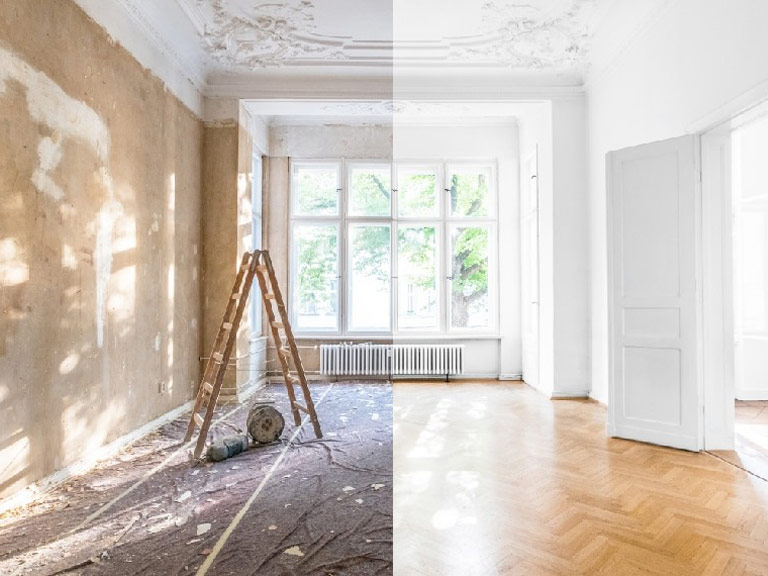
After a kitchen remodel, flooring replacement, or major renovation in an existing Raleigh home, drywall and wood dust may enter…

Good to know!
Practical advice for Raleigh pet owners dealing with pet hair, dander, and dust buildup inside their HVAC systems.
Why Pet Owners Need Regular Duct Cleaning
If you share your Raleigh home with dogs or cats, you know how quickly pet hair collects on furniture, floors and around air vents. What you may not see is the hair, dander and household dust that can gradually accumulate inside your HVAC ductwork, especially around return air vents. Homes with multiple pets or heavy-shedding breeds can experience faster buildup, even with regular housekeeping.
At DuctNClean, we help Raleigh-area homeowners remove accumulated pet hair, dust and debris through air duct cleaning Raleigh residents rely on and honest inspections. Our team works with pet-owning families throughout Raleigh, Cary, Wake Forest and surrounding Triangle communities. We start with a free inspection, show you photos of what’s inside your ducts and explain our recommended cleaning process. That way, you can make an informed decision about your home before receiving a written quote.
Living with dogs and cats means dealing with pet hair, dander and dust every day. Some of these particles become airborne during normal activities such as playing, grooming and walking around the house. Your HVAC system draws indoor air through return vents, passes it through a filter and sends conditioned air back through the supply ducts.
Over time, pet hair and household dust can collect around return grilles, inside accessible ductwork and near HVAC components. Homes with several pets or heavy-shedding breeds may experience faster buildup, especially when filters are overloaded, poorly fitted or when return ducts have leaks. Professional duct cleaning removes accumulated debris from inside the ductwork rather than simply cleaning what you can see around the vents.
Pet allergens can remain in household dust and settle on surfaces, including areas around HVAC return vents. In homes with pets, hair and dander may accumulate over time, particularly when filters are poorly maintained or air enters the ductwork through leaks. Our free inspection uses photos to show you how much buildup is present and where it is collecting. When cleaning is needed, our technicians remove the accumulated hair, dust and debris with professional agitation tools and HEPA-filtered vacuum collection.
Raleigh’s humid Piedmont climate brings warm summers, cooler winters and noticeable seasonal changes. Many dogs and cats shed throughout the year, while some breeds lose more hair during seasonal coat changes. This can increase the amount of pet hair collecting around return vents and HVAC filters.
Spring Shedding (March-May): Many pets shed more heavily as temperatures rise. This period also overlaps with Raleigh’s spring pollen season, meaning filters may collect a combination of pet hair, household dust and outdoor pollen.
Fall Shedding (September-November): Some breeds experience another coat change as temperatures cool. Regular grooming, vacuuming and filter checks help manage the additional hair inside the home.
For households with multiple pets, these seasonal changes are a good reminder to check HVAC filters and look for visible buildup around return vents. If hair and debris have accumulated inside the ductwork, professional cleaning can remove those deposits and provide a cleaner starting point for your system.
Pet hair is not the only material that can accumulate in a home with animals. Raleigh pet owners should also consider:

Raleigh’s heavy pollen seasons can be challenging for households with dogs and cats. Pet dander contains proteins that can trigger allergic reactions in sensitive people, while pet hair and household dust collect around HVAC return vents and filters. In homes with multiple pets, these deposits can build up faster, particularly when filters are overloaded or poorly fitted.
People who are sensitive to pet allergens may experience symptoms such as:
These symptoms do not necessarily mean that your ducts are contaminated, and duct cleaning is not a medical treatment. However, if an inspection reveals significant pet hair, dander and dust inside the ductwork, professional cleaning can remove that accumulated material. For more information, learn how duct cleaning improves air quality for allergy sufferers in the Triangle area.
Wake County’s humid Piedmont climate and seasonal pollen create additional housekeeping and HVAC maintenance challenges for pet owners.
Humidity and moisture: Raleigh’s humid summers make moisture control especially important. Persistent condensation, leaks or wet HVAC insulation can encourage microbial growth. Pet hair alone does not cause mold, and outdoor humidity does not prove mold is growing inside the ducts.
When an inspection identifies suspected mold inside the HVAC system, DuctNClean can evaluate the affected components and discuss our HVAC mold remediation service in Raleigh. This is separate from routine dust and pet hair removal.
Extended HVAC seasons: Heating and cooling systems operate through much of the year in Raleigh. This means pet hair, dander and dust regularly reach return vents and filters, making filter checks particularly important in homes with animals.
Seasonal weather changes: Temperature changes can contribute to condensation when HVAC equipment or ducts have moisture-related problems. Addressing the moisture source matters more than applying a cleaning treatment alone.
Some people are more sensitive to pet allergens than others. Families should consider individual allergy concerns alongside the actual condition of their HVAC system.
Homes with dogs and cats can accumulate pet hair, dander and dust around HVAC return vents and inside ductwork. Heavy-shedding breeds and multiple pets can make this buildup happen faster. Fortunately, there are several signs Raleigh homeowners can watch for before scheduling a free duct inspection.
Excessive Dust Accumulation: If furniture gets dusty again soon after cleaning, especially in rooms where pets spend most of their time, it may be worth checking your HVAC filters and ductwork. Dust has several possible sources, but accumulated debris inside return ducts can be part of the problem.
Hair Around Vents: Pet hair collecting on return grilles is common in homes with dogs and cats. When hair is also visible inside the duct openings, it may indicate a larger accumulation farther into the system. Our technicians use inspection equipment and photos to show you exactly what is present.
Discolored Air Filters: Filters that become heavily loaded with pet hair and dust sooner than expected deserve attention. A dirty filter doesn’t automatically mean the entire duct system needs cleaning, but it can indicate that your HVAC system is handling a substantial amount of household debris.
Persistent Odors: If unpleasant smells appear when your HVAC system operates, accumulated debris may be one possible source. Moisture, dirty HVAC components and other household conditions can also cause odors. An inspection helps identify the problem before recommending cleaning or treatment.
Increased Allergy Symptoms: Pet dander can trigger symptoms in sensitive individuals. If allergies seem worse indoors, check filtration and other household allergen sources. When significant pet hair and dust are also present inside the ducts, professional cleaning removes those deposits, although allergy relief cannot be guaranteed.
Reduced HVAC Airflow: Large accumulations of debris can sometimes restrict airflow, particularly around return openings. Dirty filters, equipment problems or damaged ductwork can produce similar symptoms, so identifying the cause is important before cleaning.
For a comprehensive assessment of your home’s condition, review the signs that indicate your Raleigh ducts need cleaning and learn what to look for when pet hair, dust and other debris begin accumulating.
At DuctNClean, we offer a free, no-obligation inspection for Raleigh-area homeowners. Our trained technicians check accessible ductwork, use camera equipment where appropriate and provide photos showing the actual condition of your system. If pet hair, dust or debris has accumulated inside, we explain the recommended cleaning process and provide a written quote before any work begins.

Homes with dogs and cats may accumulate pet hair and dander more quickly, particularly when several animals share the same living space. However, owning pets does not automatically mean your air ducts need professional cleaning every year.
The appropriate cleaning frequency depends on your HVAC system’s condition, filtration, household activity, and whether significant debris has accumulated inside the ductwork.
Consider a professional duct inspection when:
For Raleigh homeowners with multiple pets, regular filter inspections, grooming, and routine HVAC maintenance are especially important.
At DuctNClean, our free inspection shows you the actual condition of your ducts, with photos, before you decide on cleaning.
For additional guidance, read our Raleigh air duct cleaning frequency guide.
At DuctNClean, our approach to cleaning air ducts in homes with pets starts with a free, no-obligation inspection. Our trained technicians examine accessible ductwork and use camera equipment to show you where pet hair, dander, dust and other debris have accumulated. We explain what we find and provide a written quote before any cleaning begins.
Our inspection includes:
Pet hair can collect around return vents and settle inside ductwork over time. Our professional equipment is designed to loosen and remove this accumulated material throughout the accessible duct system.
Negative Air Pressure Systems: Our powerful vacuum equipment collects loosened dust, pet hair and debris during cleaning, helping prevent it from spreading into living spaces.
Specialized Agitation Tools: We use professional brushes and air tools to dislodge accumulated pet hair and dust from duct surfaces, with methods selected for the duct material and condition.
HEPA Filtration: Our HEPA-filtered vacuum collection equipment captures fine particles removed from the ductwork during the cleaning process.
For homeowners concerned about odors or additional HVAC hygiene, DuctNClean can discuss an optional EPA-registered sanitizing treatment following duct cleaning. When applied according to its approved label, the treatment helps control odors and inhibits mold, mildew and bacteria growth where the label permits. This is separate from removing established mold, which requires an appropriate HVAC mold remediation service.
Our treatment process may include:
We want Raleigh pet owners to see exactly what they are paying for. Our inspection-first approach and before-and-after photos help document the cleaning work performed.
Our service includes:
Our Wake Forest air duct cleaning jobs, along with work throughout Raleigh and Cary, have given our team firsthand experience with the challenges pet owners face when maintaining their HVAC systems.
In homes with dogs that shed heavily, we’ve encountered significant amounts of pet hair around return air registers and inside accessible ductwork.
One important lesson from these jobs: hair around a vent is often only the start. A free inspection with photos shows how far the buildup extends inside the ducts, so you know exactly what cleaning will remove.
Homes with several cats or dogs can place additional demands on HVAC filtration.
During inspections, we’ve seen how quickly filters can accumulate hair and dust in busy households. Regular filter checks, appropriate filtration, and routine cleaning around return vents can help reduce unnecessary debris entering the system.
Pet owners sometimes contact us because unpleasant odors seem to originate from their HVAC vents.
However, odors can have several causes, including contaminated filters, moisture problems, or sources unrelated to the ductwork.
Our approach is to inspect the system, identify potential sources, and explain whether duct cleaning or another corrective measure is appropriate.
Every home is different. The number of pets, HVAC configuration, filtration, and actual duct conditions matter more than following an arbitrary cleaning schedule.
At DuctNClean, we offer a free, no-obligation inspection so you can see the condition of your ducts and make an informed decision. Ready to restore clean airflow in your home? Learn more about our trusted duct cleaning Raleigh NC options or schedule your inspection today.
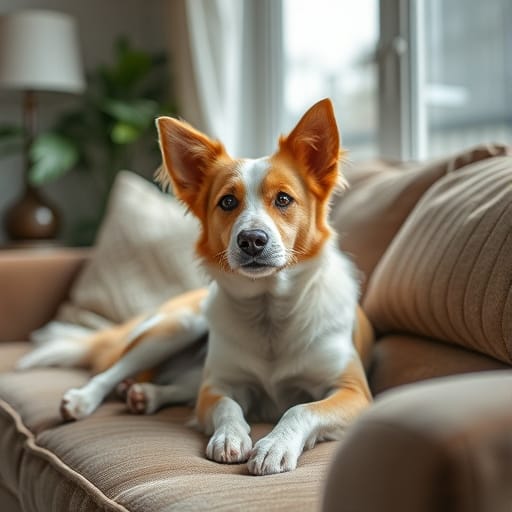
Raleigh’s humid Piedmont climate, seasonal pollen and active pet households can all affect how quickly dust and debris accumulate around HVAC filters and return vents. Several conditions are worth watching:
Humidity and Moisture: During North Carolina’s humid summers, leaks or condensation inside HVAC equipment can create moisture problems. When moisture combines with accumulated dust and debris, affected components may need additional attention. Inspecting the system helps identify whether cleaning or moisture-related repairs are appropriate.
Pollen Interaction: Raleigh’s spring pollen season adds particles to household dust. Dogs and cats can also carry pollen indoors on their coats and paws. Some of this material reaches HVAC filters and may settle inside ductwork over time.
Return Duct Leaks: Leaky return duct connections can draw unfiltered dust and debris from attics, crawlspaces or other surrounding spaces into the HVAC system. Sealing these leaks helps prevent additional contamination after cleaning.
Your HVAC system’s design and condition can influence where pet hair and dust collect. During an inspection, our technicians look for visible buildup and explain what they find.
Heat Pump Systems: Heat pumps are common in Raleigh-area homes and provide heating and cooling throughout the year. Frequent air circulation means filters and return grilles regularly collect pet hair and household dust.
Flexible Ductwork: Many Triangle homes have flexible ducts. Bends, compressed sections and damaged connections can affect airflow and make certain areas harder to clean. Professional cleaning methods should be appropriate for the duct material.
Return Air Configuration: Return grilles frequently collect visible pet hair, especially in homes with multiple animals. Poorly fitted filters or leaky return connections can allow additional debris into the system.
Household layout, pet activity and the location of HVAC equipment also influence where dust and pet hair accumulate:
Dogs and cats bring plenty of joy to Raleigh homes, but they also bring pet hair, dander and dust. Regular grooming, household cleaning and HVAC filter maintenance can reduce the amount of debris entering your ventilation system. These habits work alongside professional duct cleaning, which removes material that has already accumulated inside the ductwork.
Outdoor Brushing: Brush your pets outside when practical, especially during heavy shedding periods. Removing loose hair before it spreads around the house helps reduce the amount collecting near HVAC return vents.
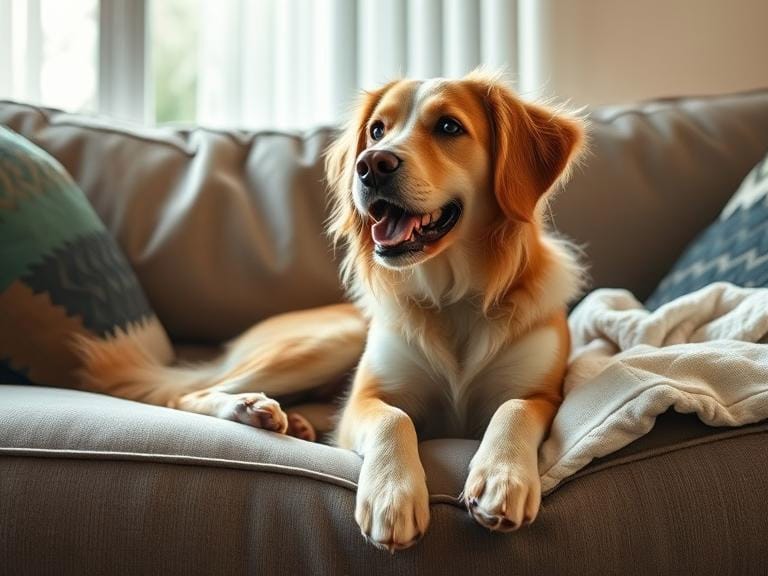
Professional Grooming: Regular grooming can help manage shedding, particularly for long-haired breeds such as Golden Retrievers and Maine Coon cats. Choose a grooming routine appropriate for your pet’s coat.
Seasonal Adjustments: Some dogs and cats shed more during spring and fall. Increase brushing when you notice additional loose hair rather than relying on a fixed seasonal schedule.
Strategic Pet Zones: Keep pet beds, blankets and favorite resting areas clean. Avoid placing bedding directly against HVAC return grilles, where loose hair may collect and restrict airflow.
Humidity Control: Aim for indoor humidity around 30–50% when practical. Managing moisture helps maintain a comfortable home and reduces conditions that can encourage mold growth. Humidity control does not replace duct cleaning or remove existing deposits.
Regular Cleaning Schedule: Vacuum carpets, upholstered furniture and areas where pets sleep or play. A vacuum with HEPA filtration can help capture fine household particles. Clean more frequently when your pets are shedding heavily.
Filter Upgrades: Use a properly fitted HVAC filter with an efficiency rating suitable for your system. MERV 11–13 filters may capture smaller particles, but compatibility and airflow requirements matter. For detailed guidance, see our air filter guide for Raleigh homes.
Monthly Filter Checks: In homes with multiple pets or heavy shedding, checking the filter monthly is a practical habit. Replace it according to the manufacturer’s instructions and its actual condition. A heavily loaded filter can restrict airflow.
Vent Cleaning: Regularly vacuum accessible supply and return grilles to remove visible pet hair and dust. Keep the openings unobstructed. Surface cleaning helps with everyday maintenance, but it cannot remove deposits farther inside the ductwork.
Even with regular grooming and filter changes, pet hair and household dust can accumulate inside HVAC ducts over time. Homes with several animals or heavy-shedding breeds may experience faster buildup. At DuctNClean, our free inspection includes photos of accessible duct conditions so you can see what has collected. When cleaning is appropriate, our trained technicians remove accumulated debris using professional agitation tools and HEPA-filtered vacuum collection.
For more information about maintaining your HVAC system between cleanings, read our guide to HVAC maintenance and duct cleaning in Raleigh.
Homes with dogs and cats can accumulate substantial amounts of pet hair, dander and household dust inside HVAC return ducts and other accessible parts of the system. At DuctNClean, our trained technicians help Raleigh-area pet owners remove that buildup using professional equipment and a cleaning process tailored to each home’s ductwork.
We start with a free inspection and show you photos of what’s inside your ducts. If cleaning is appropriate, we explain the work, provide a written quote and use HEPA-filtered vacuum collection and professional agitation tools to remove accumulated debris. Our team is fully insured and serves pet owners across Raleigh and the Triangle, including homes that need air duct cleaning in Apex.
Initial Assessment: We inspect accessible ductwork, check for visible pet hair and debris, and document our findings with photos. We also consider the number of pets, filtration and your home’s HVAC configuration when discussing the scope of work.
Customized Cleaning Protocol: Every home is different. We select cleaning methods based on duct materials, accessibility and the amount of accumulated dust and pet hair. When cleaning is needed, our goal is to remove the buildup throughout the agreed scope of work.
Advanced Equipment: Our professional agitation tools loosen accumulated pet hair and dust, while HEPA-filtered vacuum collection removes that material from the ductwork. We use methods appropriate for the duct materials and conditions found during inspection.
Follow-Up Support: After cleaning, we provide practical guidance on HVAC filter checks, cleaning around return vents and managing pet hair between services. Homes with heavy-shedding pets may benefit from earlier inspections when visible buildup returns.
At DuctNClean, transparency starts before the job. Our professional duct cleaning services in Raleigh for pet owners begin with a free, no-obligation inspection and a written quote. We explain the recommended work and pricing so homeowners know what is included before approving the service.
Pet hair and dander are part of life with dogs and cats, but accumulated debris inside your HVAC ducts doesn’t have to stay there. If you’re seeing hair around return vents, heavy dust buildup or debris inside accessible ductwork, contact DuctNClean for a free inspection.
Call 984-301-8445 to schedule your free inspection. We serve Raleigh, Wake Forest, Durham and surrounding Triangle communities, including pet-friendly duct cleaning in Cary.
See all the Triangle communities we serve.
Our goal is simple: show you the condition of your ducts, explain the recommended work and professionally remove accumulated pet hair, dust and debris.
For more practical advice, explore our Raleigh air duct cleaning tips and homeowner guides, including information about pet hair, filtration and HVAC maintenance.
Look for pet hair collecting inside return vents, visible dust or debris coming from supply registers, and heavy buildup inside accessible ductwork. Homes with multiple pets or heavy-shedding breeds may accumulate debris faster. DuctNClean offers a free inspection with photos so you can see the condition of your ducts before deciding on cleaning.
Professional duct cleaning can help reduce odors when accumulated pet hair, dust or debris inside the HVAC system is the source. However, pet odors can also come from carpets, furniture, filters or moisture problems. Our free inspection helps identify whether duct cleaning is appropriate. We can also discuss optional sanitizing treatment when suitable.
Cleaning time depends on your home's size, number of HVAC systems, duct accessibility and the amount of accumulated debris. Homes with substantial pet hair buildup may require additional work. During our free inspection, we explain the cleaning scope and provide a time estimate with your written quote.
Our technicians use professional cleaning equipment with HEPA-filtered vacuum collection to help contain loosened dust and debris. We recommend keeping pets in another room during cleaning to reduce stress and prevent access to equipment. If an optional EPA-registered sanitizing treatment is applied, pets must remain away from treated areas until the product has dried and all label instructions for safe re-entry are satisfied.
Raleigh's humid Piedmont climate brings heavy spring pollen, warm summers and extended heating and cooling seasons. Pet hair, household dust and outdoor pollen can accumulate around HVAC filters and return vents. Homes with several pets may experience faster buildup. Professional inspection helps determine what has accumulated inside your ductwork.
The basic professional cleaning process is similar. In homes with pets, technicians pay particular attention to accumulated hair, dander and dust around return ducts and other affected areas. DuctNClean uses professional agitation tools and HEPA-filtered vacuum collection, documents the work with photos and provides maintenance recommendations suited to your household.
Regular grooming helps reduce the amount of loose hair entering your home. Brush pets outside when practical, vacuum their favorite resting areas and check HVAC filters during heavy shedding periods. You do not need to schedule duct cleaning after every grooming session. If pet hair has accumulated inside the ductwork, a professional inspection can determine whether cleaning is appropriate.
Duct cleaning removes accumulated dust, pet hair and debris from HVAC ductwork, which may reduce one source of particles in the home. However, it is not a veterinary treatment, and allergy relief cannot be guaranteed. If your pet experiences itching, sneezing or other suspected allergy symptoms, consult your veterinarian while also maintaining clean HVAC filters and a comfortable home environment.
Having pets does not automatically make duct cleaning more expensive. Pricing depends on your home's size, number of HVAC systems, accessibility and the actual condition of the ductwork. Additional work or optional treatments are discussed before service. DuctNClean provides a free inspection and written quote for duct cleaning in Raleigh, so you know what is included before approving the work.