


Dryer vent cleaning vs air duct cleaning: the two are often confused because both involve “ducts.” But your HVAC air ducts carry heated and cooled air to every room, while your dryer vent carries hot, moist exhaust and lint outdoors. They are completely separate systems, with different problems, different cleaning methods, different schedules and different prices.
This guide compares both systems side by side—warning signs, how each is cleaned, how often, and what it costs—so Raleigh, Cary, Apex and Wake Forest homeowners know which service they actually need. 📞 Call Us: 984-301-8445
1. What Are Air Ducts and Why They Matter in Raleigh Homes
HVAC supply ducts distribute conditioned air to rooms; return ducts carry air back toward the equipment. They are part of the heating and cooling system, not the clothes dryer exhaust.
In Raleigh homes, pollen, renovation dust, pet hair and leaky return ducts all add particles to the HVAC system. Over the years, some of that material settles inside the ductwork. The only way to know how much has built up is to look inside, which is why we start every job with an inspection.
👉 Pro Tip: To see how our inspection-first process works and what it costs, visit our air duct cleaning in Raleigh service page.
The Importance of Clean Air Ducts for Triangle Area Families
Several common situations in Raleigh homes are good reasons to have the ductwork checked:
- Pollen exposure: Heavy spring pollen loads filters quickly, and what gets past the filter can settle in the ducts over time.
- Moisture: Leaks or condensation inside HVAC components merit investigation. Outdoor humidity alone does not diagnose contamination.
- Long run times: Raleigh systems run much of the year, so more air—and more dust—moves through the ducts.
- Renovations: Unprotected ducts can collect construction debris, especially after remodeling work.
Some homes build up significant debris, especially after construction, water intrusion or pest activity; others stay fairly clean for years. That is why we recommend cleaning based on what the inspection actually shows.
2. Understanding Dryer Vents and Fire Safety in Wake County
A clothes dryer exhaust conveys hot, moisture-laden air outdoors through its own dedicated route. Lint can collect in the run and restrict airflow. Gas dryers also need proper exhaust of combustion products; suspected carbon monoxide hazards demand prompt professional or emergency attention.
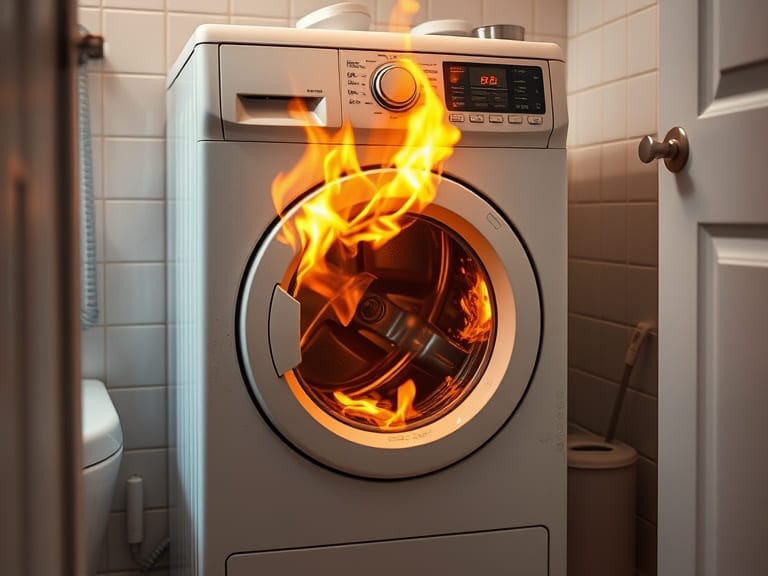
Lint is highly combustible, and failure to clean is a leading factor in home dryer fires. That makes dryer vent cleaning in Raleigh mainly a fire-safety service, while air duct cleaning is about removing dust and debris from the HVAC system.
💡 Essential Reading: For complete safety protocols and maintenance schedules, visit our dedicated dryer vent cleaning in Raleigh service page.
Why Dryer Vent Maintenance Is Critical for Raleigh Area Homes
Several installation and usage factors can make a dryer exhaust harder to inspect and maintain:
- Long exhaust runs: Interior laundry locations can make cleaning access and inspection more challenging.
- Lint buildup: Restricted routes may collect lint; do not infer blockage from outdoor humidity alone.
- Multi-story routing: Multiple turns or roof exits can complicate safe cleaning.
- Frequent use: More laundry loads can mean more lint and more frequent maintenance checks.
3. Key Differences Between Air Duct and Dryer Vent Cleaning
Here is how HVAC duct cleaning and dryer vent cleaning compare, and why they are scheduled and priced separately.
| Feature | Air Duct Cleaning | Dryer Vent Cleaning |
|---|---|---|
| Primary Purpose | Remove dust, debris and residue from HVAC supply and return ductwork | Remove lint and obstructions from dryer exhaust |
| Tools Used | HEPA vacuums, air whips, rotating brushes | Flexible brushes, lint snakes, inspection cameras |
| Recommended Frequency | Roughly every 8–12 years; sooner after renovation, pests, water damage or visible debris | Inspect regularly; often annually, sooner with heavy use or restriction |
| Time to Complete | Depends on home size and duct condition; given at inspection | Varies by run length and access |
| Most Common in | Older systems, renovated homes, homes with pets or pest activity | Lint buildup, longer runs, restricted airflow |
| Safety Focus | Removing debris; evaluate moisture/growth separately | Lint and exhaust safety; gas appliances require proper venting |
1. Purpose and Benefits Comparison
What air duct cleaning can accomplish:
- Removes accumulated dust, debris, pet hair and construction residue from the ductwork
- Gives you before-and-after photos of what was inside your ducts
- Clears debris that is restricting airflow at registers or in duct runs
- Can remove odors caused by trapped debris; suspected mold calls for a separate HVAC mold assessment
- Reduces the dust your system pushes back into your rooms when buildup was the source
- Removes nesting material and droppings after pest activity in the ducts
What dryer vent cleaning can accomplish:
- Removes combustible lint and restores exhaust airflow, reducing fire risk
- May improve drying performance when an exhaust blockage is the cause
- Allows inspection for duct disconnection, crushed sections or improper routing
- Helps identify exhaust problems; gas-dryer combustion safety may need specialist evaluation
- Helps keep moist dryer exhaust directed outdoors when the system is correctly installed
- Complements regular lint-screen cleaning and dryer manufacturer maintenance
2. Cleaning Process and Professional Equipment
Typical air duct cleaning process:
Professional air duct cleaning Raleigh uses equipment suited to HVAC duct design and material; the exact scope should be agreed before work:
- Inspection using video cameras to assess contamination levels and identify problem areas
- System preparation with protective coverings and containment barriers
- Negative pressure creation using powerful HEPA-filtered vacuum systems
- Mechanical agitation with rotating brushes, air whips, and compressed air tools
- Cleaning of all supply and return air vents, registers, and grilles
- Air-handler or blower-area cleaning only when included in the agreed scope and appropriate for that equipment
- Final visual inspection; discuss filter replacement as a separate maintenance item
Air duct cleaning duration varies by system size, number of HVAC units, accessibility and scope. Larger whole-home projects can take most of a workday; the written quote should define the work.
Typical dryer vent cleaning process:
Professional dryer vent cleaning Raleigh removes lint and obstructions from the dryer exhaust route and checks the accessible terminations:
- Exterior vent inspection to assess blockage levels and identify issues
- Interior connection point cleaning and inspection
- Specialized rotating brush systems designed for narrow vent configurations
- High-powered vacuum systems to extract loosened lint and debris
- Appropriate inspection of accessible sections and concerns about concealed restrictions
- Airflow check when accessible and feasible
- Exterior termination check, including flapper function and visible nests
Dryer vent service time depends on access, length, roof or wall termination, obstructions and whether repairs are necessary.
3. Recommended Cleaning Frequency and Scheduling
Schedule each service independently. HVAC filter replacement, professional duct inspection and dryer exhaust maintenance have different triggers.
When to inspect or clean air ducts:
- Typical planning interval: Duct cleaning is condition-based, often roughly 8–12 years; inspect earlier when debris, pests or water damage justify it.
- Earlier inspection may be appropriate for:
- Homes with multiple pets that shed
- Residents with severe allergies, asthma, or respiratory conditions
- Older homes in established neighborhoods like Five Points, Oakwood, or Cameron Village
- Properties near ongoing construction projects
- Homes with smokers or those who frequently cook with strong spices
- Houses that have experienced water damage or flooding
When to inspect or clean a dryer exhaust:
- Routine dryer exhaust maintenance: Inspect regularly and follow dryer manufacturer guidance; annual professional cleaning is common.
- More frequent checks may be appropriate for:
- Large families doing 7+ loads of laundry weekly
- Homes with extended vent runs (over 15 feet)
- Properties with multiple bends or turns in vent configuration
- Households using fabric softener sheets regularly
- Older dryer models with less efficient lint filtering
- Homes where the vent exits through the roof rather than a side wall
🏠 Schedule Your Service Today!
4. Warning Signs You Need Air Duct Cleaning in Raleigh
These conditions can justify an HVAC or duct inspection. Several can arise from causes other than dirty ducts:
- Visible debris: Material discharged from supply registers may justify duct inspection.
- Symptoms: Health symptoms have many causes and do not establish that ducts are dirty; seek medical advice as needed.
- Persistent odors: Musty or stale smells when the system runs are worth an inspection to find the source.
- Suspected growth: A qualified evaluation is needed; HVAC-specific remediation is separate from ordinary dust cleaning.
- Post-Construction Contamination: Recent home renovations, construction work, or major cleaning projects that generated significant dust
- Unknown history: You moved into a home and don’t know when the ducts were last cleaned.
- Pest Infestation Evidence: Signs that rodents, insects, or other pests may have accessed your ductwork
- Weak airflow: Check filters and HVAC operation; dirty ducts are only one possible cause.
- Higher bills: Investigate usage, rates, equipment and filters before attributing costs to ducts.
If you notice any of these signs, call (984) 301-8445 to book a free duct inspection.
5. Critical Warning Signs for Dryer Vent Cleaning
These signs point to a restricted dryer vent and a higher fire risk:
- Extended Drying Times: Clothes requiring multiple cycles to dry completely, indicating restricted airflow
- Excessive Heat: Unusually hot dryer exterior, laundry room temperatures, or clothing after normal cycles
- Burning Odors: Stop the dryer now, unplug it (and turn off the gas on a gas dryer), and don’t use it until the vent is checked. If you see smoke or flames, get out and call 911.
- Exterior Vent Blockage: Visible lint accumulation around your home’s exterior vent opening
- Damaged or missing lint screen: Do not use a dryer without an appropriate screen; a clean screen alone is not a blockage diagnostic.
- Overheating Shutdowns: Dryer stopping mid-cycle due to thermal safety switches activating
- Increased Utility Bills: Rising energy costs associated with extended drying times
- Condensation Issues: Excess moisture in the laundry room or on windows during dryer operation
For restricted exhaust or prolonged drying, see dryer vent cleaning near me. Stop using the dryer if it overheats or smells of burning; a fire or suspected gas hazard calls for emergency help, not continued operation.
6. What Air Duct Cleaning Can and Cannot Accomplish
Duct cleaning removes the dust and debris inside your ductwork. For the full inspection-first process, see our air duct cleaning Raleigh NC service page.
Health Claims: What to Expect
Many homeowners ask about health. Here is an honest answer:
- Dust removal: Cleaning removes buildup inside the ducts. The EPA notes duct cleaning has not been shown to prevent health problems, so we don’t promise allergy relief.
- Asthma: Duct cleaning is not a medical treatment or a substitute for clinician guidance.
- Moisture and suspected growth: HVAC mold concerns require assessment and targeted work, not routine duct cleaning claims.
- Comfort: Improved sleep cannot be promised from duct cleaning.
- Documented findings: Ask for clear before-and-after evidence of what was removed.
Households With Specific Concerns
If someone in your home has a medical condition, follow their doctor’s advice first. For the home itself, these steps make sense:
- Keep filters fresh: Use a filter your HVAC system can handle and change it on schedule
- Control moisture: Keep indoor humidity around 30–50% and fix leaks promptly
- Check the ducts: Have them inspected if you see debris at the vents or after renovation work
- Ask for photos: A good inspection shows you what is actually inside your ducts before you pay for cleaning
7. Dryer Vent Cleaning and Fire Safety
Professional dryer vent cleaning Raleigh can remove lint and obstructions from the dryer exhaust, addressing conditions that impede proper airflow.
Fire Prevention Statistics
National fire figures vary by source and year, but they agree on the main point: lint buildup and failure to clean are leading factors in home dryer fires.
- Lint that gets past the screen collects in the vent run, where hot exhaust passes over it.
- A restricted vent makes the dryer run hotter and longer.
- Failure to clean the dryer and exhaust is a recognized contributing factor in dryer fires.
- Lint buildup is combustible and can contribute to dangerous overheating.
Comprehensive Safety Benefits
- Combustible lint: Removing lint buildup addresses one known fire hazard; it does not eliminate all fire risk.
- Gas dryers: Correct exhaust venting is essential; suspected CO problems require urgent professional attention.
- Moisture exhaust: Restricted exhaust can release moisture indoors or cause condensation issues.
- Overheating: A hot dryer or burning smell should not be ignored.
- Maintenance: Follow dryer manufacturer recommendations and inspect the entire accessible exhaust route.
8. Professional Services vs. DIY: What Wake County Homeowners Should Know
Homeowners can replace HVAC filters, clean accessible air registers and remove lint from the dryer screen. Cleaning concealed HVAC duct networks or complicated dryer runs can require specialized equipment and appropriate care.
Air Duct Cleaning: Why Professional Service Is Essential
A household vacuum reaches only the first few inches of a duct. Professional air duct cleaning in Raleigh offers:
- Specialized Equipment Access: Commercial-grade HEPA vacuum systems with sufficient power to clean entire duct networks thoroughly
- Comprehensive System Knowledge: Understanding of various duct materials, configurations, and HVAC components common in Triangle area homes
- Proper Containment Methods: Professional techniques prevent contamination spread during cleaning process
- Safety Protocols: Training in electrical safety, hazardous material handling, and system protection
- Complete System Access: Ability to reach all ductwork areas, including returns, supplies, and air handler components
- Problem Identification: Experience recognizing system issues, damage, or improvement opportunities
- Quality Assurance: Professional standards and accountability for cleaning effectiveness
Dryer Vent Cleaning: Professional Advantages for Cary and Apex Homes
While some homeowners consider DIY dryer vent maintenance, professional services offer significant advantages:
- Complete Vent Run Cleaning: Professional equipment can navigate long, complex vent configurations common in modern homes
- Hidden Blockage Detection: Experience identifying and removing lint accumulation in unexpected locations
- Safety Compliance: Knowledge of building codes and safety standards for proper vent installation and maintenance
- Damage Prevention: Techniques that clean effectively without damaging vent materials or connections
- Comprehensive Inspection: Ability to identify vent damage, wildlife intrusion, or other issues requiring attention
- Efficiency Verification: Testing to ensure proper airflow restoration after cleaning
When ducts or dryer vents are difficult to reach, choose a provider who can explain the access method and limitations before work begins.
9. Choosing the Right Service Provider in Wake County
When comparing providers for air duct or dryer vent cleaning in Raleigh, ask separate questions about equipment, scope and pricing for each system.
Questions to Ask Any Provider
- Industry training: Ask what technician training, methods and standards a provider follows; do not assume membership is mandatory.
- Dryer exhaust expertise: Ask about experience with your vent configuration and appropriate materials.
- Proper Insurance Coverage: Comprehensive liability insurance protecting your property during service
- Appropriate credentials: Verify insurance and any trade licenses needed for the exact work being performed.
- Equipment Standards: Use of professional-grade equipment meeting industry specifications
Local Experience Factors
- Climate Understanding: Knowledge of Raleigh’s specific humidity, pollen, and environmental challenges
- Construction Familiarity: Experience with local building styles, duct materials, and installation methods
- Community Reputation: Established relationships and positive feedback from Triangle area residents.
- Service Area Coverage: Reliable service throughout Wake County communities
Service Quality Indicators
- Transparent Pricing: Clear, upfront pricing without surprise charges or unnecessary add-ons
- Comprehensive Quotes: Detailed explanations of services included and estimated time requirements
- Customer References: Willingness to provide references from recent local customers
- Scope in writing: Ask about exclusions, access limitations and follow-up if an issue remains.
- Professional Communication: Responsive, knowledgeable customer service and scheduling
10. Investment Considerations for Raleigh Homeowners
These are different jobs with different cost drivers. DuctNClean quotes HVAC duct cleaning after inspection; dryer vent pricing depends on exhaust-route access and complexity.
Air Duct Cleaning Investment
For DuctNClean air duct cleaning in the Raleigh area:
- DuctNClean pricing: Air duct cleaning starts at $690. Most Raleigh-area homes fall between $800 and $3,500, depending on home size, number of HVAC systems and duct condition. We inspect first and give you a written quote before any work starts.
- Factors Affecting Cost:
- Home size and number of vents
- Ductwork accessibility and configuration
- Contamination levels requiring additional time
- Multiple HVAC systems or zones
- Optional deodorizing treatment after cleaning
- System modifications or repairs needed
- Value: Judge the quote by the visible condition, scope and equipment access, not promised medical or energy savings.
Dryer Vent Cleaning Investment
For a standard DuctNClean dryer vent cleaning appointment:
- DuctNClean pricing: $99 for a standard ground-floor vent. Second-floor, roof or long vent runs are quoted on site before we start.
- Cost Variables:
- Vent run length and complexity
- Roof vs. wall exit configurations
- Multi-story installations
- Severity of lint blockage
- Additional repairs or modifications needed
- Repairs to crushed or disconnected sections
- Safety value: Regular dryer vent cleaning in Wake County costs far less than repairing fire or water damage from a neglected vent.
11. Common Issues in Triangle Area Homes
Local conditions influence what might warrant an inspection, but they cannot prove a particular duct or dryer exhaust is obstructed.
Air Duct Challenges Specific to Wake County
- Seasonal pollen: Pollen often loads filters; inspect ducts only if there is evidence of debris inside.
- Moisture problems: Leaks, condensation or wet insulation can cause problems inside HVAC systems and should be investigated.
- Construction Dust Infiltration: Ongoing development in communities like North Hills, Brier Creek, and downtown Raleigh creates airborne particles that infiltrate nearby homes
- HVAC use: Long seasonal run times move more air—and more dust—through the system.
- Older Home Challenges: Older Raleigh homes may have ductwork that has never been cleaned, or disconnected and damaged sections in crawlspaces and attics
Dryer Vent Challenges in Modern Triangle Homes
- Interior Laundry Placement: Modern home designs often locate laundry rooms in interior spaces, requiring longer vent runs that accumulate lint more readily
- Complex Routing: Multi-story homes and townhome configurations create vent systems with multiple turns and elevation changes that trap lint
- Roof Termination Issues: Many newer homes terminate dryer vents on roofs rather than side walls, creating maintenance access challenges and weather-related problems
- Wildlife Interference: Birds, squirrels, and other wildlife common in suburban Triangle areas often build nests in or damage exterior vent terminations
12. Preventative Maintenance Tips for Wake County Homeowners
Air duct maintenance and dryer exhaust maintenance involve different equipment and timelines. Here are practical steps Raleigh-area homeowners can take between inspections or cleaning appointments.
Maximizing Air Duct Cleanliness Between Professional Services
Simple habits slow down buildup between cleanings. They can’t remove debris already inside the ducts—for that, see our air duct cleaning Raleigh service.
- HVAC filter checks: Inspect filters regularly; replace according to manufacturer instructions and dust loading. Choose MERV efficiency compatible with the HVAC system.
- Humidity control: Keep indoor humidity generally around 30–50% and address leaks or HVAC condensation. Humidity alone does not prove mold in ducts.
- Routine housekeeping: Dusting and vacuuming can reduce household particles without replacing HVAC filtration.
- Supplemental air cleaning: A correctly sized portable air cleaner may reduce airborne particles in a room, but it does not clean ducts.
- Registers and grilles: Keep accessible openings clean and unobstructed.
- HVAC equipment care: Follow the manufacturer’s maintenance schedule with a qualified HVAC technician.
Maintaining Clean Dryer Vents Between Professional Services
Clean the lint screen and inspect the dryer exhaust route regularly. Homeowner maintenance reduces avoidable restrictions but does not guarantee that a long or concealed run is clear.
- Lint Trap Vigilance: Clean the lint screen before every single load—no exceptions. Even small amounts of lint can accumulate quickly in vent lines
- Exterior Vent Monitoring: Check your home’s exterior vent monthly for lint accumulation, animal nests, or damage to the vent cover
- Accessible lint: With the dryer off, inspect and clean accessible lint around the appliance and connector without crushing or disconnecting the exhaust incorrectly.
- Proper exhaust materials: Use manufacturer- and code-compliant metal exhaust materials; do not use plastic or vinyl ducting.
- Load Management: Avoid overloading the dryer, which increases lint production and reduces drying efficiency
- Appliance instructions: Follow the dryer maker’s recommendations for loads, lint screens and products.
13. Emergency Situations: When to Call Immediately
Some warning signs call for immediate shutdown rather than routine cleaning. For dryer exhaust restrictions, see dryer vent cleaning near you; if there is smoke, fire, or a suspected carbon monoxide hazard, leave the area and contact emergency services.
Air Duct Emergency Indicators
- Suspected growth or moisture: Have affected HVAC components evaluated; color alone does not establish mold.
- Pest evidence: Address the infestation and entry points before evaluating contaminated ducts for cleaning.
- Water intrusion: Stop the water source and have wet HVAC components evaluated promptly.
- Sudden breathing difficulties: Seek medical guidance or urgent care as appropriate; symptoms alone do not diagnose duct contamination.
Dryer Vent Emergency Situations
- Burning Smells: Any burning odor during dryer operation requires immediate shutdown and professional inspection
- Little or no exterior airflow: Stop use and have the exhaust path checked for obstruction or disconnection.
- Dryer Overheating: Excessive heat or automatic shutdowns suggest dangerous operating conditions
- Suspected carbon monoxide exposure: Leave the premises and call emergency services or the gas utility; do not run the dryer.
14. Seasonal Considerations for Triangle Area Maintenance
Seasonal weather changes how homeowners use HVAC systems and dryers, but inspection findings and appliance instructions matter more than fixed seasonal cleaning appointments.
Spring Preparation (March-May)
- Pollen: Inspect the HVAC filter and replace when loaded; verify any higher-MERV choice is compatible.
- Cooling season: Schedule equipment maintenance when due, separately from duct cleaning.
- Dryer Vent Check: Ensure winter weather hasn’t damaged exterior vent components
Summer Maintenance (June-August)
- Humidity Monitoring: Watch for signs of moisture-related issues in ductwork
- Filter checks: Inspect based on runtime and actual loading, not a fixed seasonal interval.
- Dryer drying times: Investigate persistent increases; vent restriction is one possible cause.
Fall Preparation (September-November)
- Heating readiness: Arrange HVAC equipment maintenance when due; duct cleaning is condition-based.
- Leaf and Debris Removal: Clear exterior vents of fall debris that could cause blockages
- Dryer use: Continue cleaning the lint screen before every load.
Winter Monitoring (December-February)
- Heating performance: Check the filter and contact an HVAC technician for recurring faults.
- Indoor Air Quality: Pay attention to air quality during months when homes are sealed against cold weather
- Dryer exhaust: Check for obstructed exterior termination, including nests or debris.
15. Conclusion: Protecting Your Wake County Home with Comprehensive Maintenance
Air ducts and dryer vents are separate systems. Air duct cleaning removes deposits in HVAC supply and return pathways when an inspection indicates a need; dryer vent cleaning removes lint and obstructions from a clothes dryer exhaust route.
For Raleigh, Cary, Apex and Wake Forest homeowners, the decision is straightforward: assess the condition of each system independently. Filter changes and HVAC tune-ups should not be confused with duct cleaning, and a clear dryer exhaust is not proof that HVAC ducts need attention.
A sensible maintenance plan treats air duct cleaning Raleigh and dryer vent cleaning Raleigh as different services with different triggers:
- Air duct scope: Remove confirmed dust and debris deposits where cleaning is warranted.
- Dryer exhaust scope: Remove lint and obstructions that can restrict exhaust airflow and contribute to overheating.
- Distinct triggers: Book HVAC duct cleaning based on duct condition and dryer vent cleaning based on exhaust maintenance needs.
- Separate estimates: Each system is quoted on its own, so you only pay for what you need.
- Routine upkeep: Maintain filters and HVAC equipment as separate tasks.
Plan duct cleaning roughly every 8–12 years, or sooner when an inspection shows buildup. Give the dryer vent more frequent attention, because lint restrictions can lead to overheating and fire.
Ask a provider to explain what will be inspected and cleaned in each separate system, how access will be handled, and what the quote includes.
Not sure which service you need? DuctNClean cleans both HVAC air ducts and dryer vents. Tell us what you are noticing, and we will check the right system and give you a written quote before any work starts.
Contact DuctNClean to schedule a free inspection.
📧 Email: Contact@ductnclean.com
📞 Phone: 984-301-8445 🏠 Schedule Your Complete Home Safety Service
Service Areas: Proudly serving Raleigh, Cary, Apex, Wake Forest, Garner, Holly Springs, Fuquay-Varina, Knightdale, Clayton, Rolesville, Morrisville, Zebulon, Wendell, and all of Wake County, North Carolina.
16. Frequently Asked Questions
1. What’s the difference between air duct and dryer vent cleaning?
Air duct cleaning removes confirmed deposits from HVAC supply and return ductwork. Dryer vent cleaning removes lint from a separate clothes dryer exhaust route that vents outdoors. The tools, purpose and timing differ.
2. How often should Raleigh homeowners clean each system?
We recommend air duct cleaning roughly every 8 to 12 years, sooner after a renovation, with pets, after pest activity or water damage, or if you see dust or debris coming from the vents. Dryer vents need more frequent attention; annual cleaning is common, and heavy use or long runs may need more.
3. Can DuctNClean handle both services in one visit?
Yes. DuctNClean cleans both air ducts and dryer vents, and both can be scheduled for the same visit. Each system is inspected and quoted separately.
4. What makes Raleigh’s climate particularly challenging for duct and vent maintenance?
Heavy spring pollen loads HVAC filters quickly, long cooling seasons move more air through the ducts, and humid summers make moisture control important. For dryer vents, long or complex runs in newer homes are the bigger issue. Each system should be inspected on its own.
5. How do I know if my dryer vent needs immediate attention?
Smell burning from the dryer? Stop it now, unplug it (and turn off the gas on a gas dryer), and don’t use it until the vent is checked. If you see smoke or flames, get out and call 911. Long drying times, a hot laundry room or little airflow at the outside vent also mean the vent should be checked soon.
6. Is professional cleaning worth the cost compared to DIY methods?
Homeowners can clean accessible registers and lint screens. Professional equipment is useful for concealed duct networks and long or complex dryer exhaust runs; the need depends on access and actual conditions.
7. What should I expect during a professional cleaning service?
For air ducts, we inspect first, show you what we find and give a written quote; the time depends on the size of your home and the condition of the ducts. Dryer vent cleaning time depends on the length of the run, the exit location and any blockages.
8. How can I maintain my systems between professional cleanings?
Inspect and replace HVAC filters as directed, keep registers unobstructed and address leaks promptly. Clean the dryer lint screen before each load and check the exterior exhaust termination.