



When it comes to maintaining healthy indoor air quality in the Triangle area, choosing the right duct cleaning schedule for your Raleigh home starts with an inspection. Wake County’s unique environmental conditions—from high pollen counts to humid summers—create specific challenges that affect how frequently your home’s air ducts need professional attention. Whether you’re in downtown Raleigh, the growing suburbs of Wake Forest, or the family-friendly neighborhoods of Cary and Apex, understanding your local cleaning needs will help you keep your HVAC system cleaner and your home more comfortable.
At DuctNClean, we’ve been helping Triangle area homeowners navigate these local challenges for years. Our air duct cleaning Raleigh NC service addresses the specific needs of homes throughout Wake County, removing accumulated debris from accessible ducts and documenting the condition of your system.
1. Understanding Air Duct Cleaning Frequency: More Than Just General Guidelines
We recommend air duct cleaning every 8 to 12 years, sooner after a renovation, with pets, or if you see dust or debris coming from the vents. A free inspection reveals existing buildup.
The Standard Duct Cleaning Schedule for Most Homes
For typical homes in the Triangle area without special circumstances, the following schedule tiers offer a practical starting point:
- 10–12 years: Homes with clean filters, little visible debris, and minimal environmental stressors
- Closer to 8 years: Homes with moderate dust, pet dander, or other local environmental exposure
- Sooner than 8 years: Homes with pets, significant buildup, renovation dust, or other contamination; book a free inspection every few years so we can check
Inspect promptly after renovations, moisture damage, mold, pests, or debris blowing from vents, and clean affected areas.
A free inspection and photos show what needs cleaning and what was removed.
2. Local Environmental Factors That Affect Your Cleaning Schedule
Raleigh’s Notorious Pollen Seasons
The Triangle area is infamous for its intense pollen seasons, particularly during spring when oak, pine, and birch trees release massive amounts of pollen into the air. Pollen enters through doors and clothing; some settles near registers and ducts.
Neighborhoods with heavy tree coverage—such as North Hills, Cameron Village, and areas near Umstead State Park—experience particularly high pollen loads. In these leafy neighborhoods, a free inspection after a heavy pollen season is worthwhile when you notice dirty registers, unusual debris, or a filter that loads up quickly.
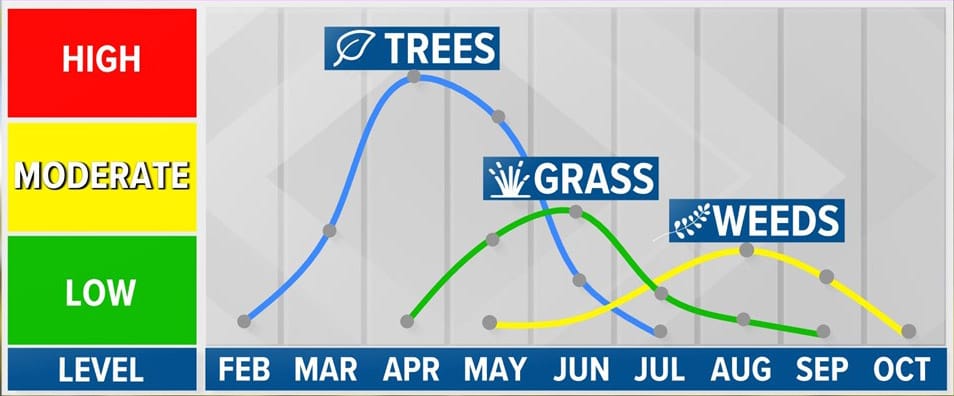
Spring and fall are the most popular times; any season works when you notice dust, odors or weak airflow. An inspection establishes what needs cleaning.
Wake County’s Humidity Challenges
Raleigh summers bring high humidity, making condensation and moisture control important around HVAC equipment and poorly insulated ductwork. Musty odors or suspicious spots deserve a closer look. When we find mold in your HVAC system, we remove it from the affected components, then apply an EPA-registered treatment to help keep it from coming back. We also point out the moisture source so it can be fixed. Learn about our professional HVAC mold treatment services.
- Homes with ductwork in crawl spaces or attics
- Properties in low-lying areas of West Raleigh
- Older homes with less efficient moisture control systems
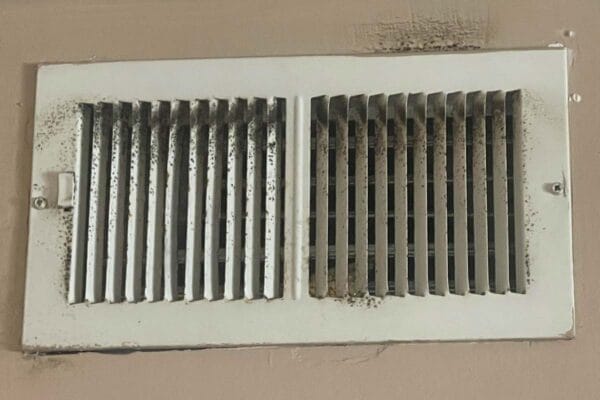
Moisture leaves stains and odors. We inspect HVAC parts, document concerns, and recommend correcting the source.
Construction and Development Impact
The Triangle’s rapid growth means construction dust is a constant concern. New developments in Wake Forest, ongoing projects in downtown Raleigh, and the continuous expansion in Cary and Apex all contribute to airborne particles that can infiltrate home air systems.
How often to clean air ducts Wake Forest residents should consider: If dust entered the system during construction or before move-in, clean after construction or move-in, then follow our 8–12 year guideline. An inspection identifies remaining construction debris.
3. Household-Specific Factors for Your Cleaning Schedule
Understanding the specific factors that affect your individual situation is essential for creating an effective cleaning schedule for your home. These household-specific considerations can significantly impact how often your ducts require professional attention.
Pet Ownership and Dander Accumulation
Pet hair and dander are among the most common reasons for accelerated duct contamination. In the Triangle area, where many families have both indoor and outdoor pets, this becomes even more significant. Pet owners with noticeable buildup can need service sooner than 8 years; book a free inspection every few years so we can check the ducts and filters.
Dogs that spend time outdoors bring in additional pollen and allergens, while cats contribute fine dander that can circulate through your system for months. Multiple pets mean more hair near returns; check filters regularly. For a full breakdown of how pets affect your cleaning schedule, see our guide on why Raleigh pet owners need regular duct cleaning.
Allergy and Respiratory Considerations
Households sensitive to dust and pollen often pay closer attention to filtration, visible buildup, and the condition of returns and registers. If family members experience:
- Seasonal allergies that seem to persist indoors
- Asthma symptoms that worsen at home
- Unexplained respiratory irritation
When vents are dusty or emit debris, book an inspection. We document duct condition and recommend next steps.
For households managing persistent allergy symptoms, specialized duct cleaning for allergy sufferers in Raleigh explains how pollen, household dust, and dander can settle within HVAC ductwork and why inspection and filtration matter.
Home Age and Ductwork Condition
Cleaning intervals in Cary homes depend on duct condition, renovations, and visible buildup as much as the age of the house:
Newer homes (built after 2000): Often near the 10–12-year end if ducts are clean after construction. Homes built 1980–2000: Consider closer to 8 years when buildup is visible. Historic homes (pre-1980): Start with a free inspection for gaps, leaks, or older duct sections; duct sealing can address those issues.
Cary’s mix of newer developments and established neighborhoods means homeowners need to assess their specific situation. MacGregor Downs, Lochmere, and West Cary homes have varied duct layouts. Inspection identifies cleaning or sealing needs.
4. Geographic Variations Within the Triangle
Wake Forest Specific Considerations
Wake Forest has older homes and new developments. Inspect ducts after construction when returns were uncovered. Our air duct cleaning Wake Forest NC team handles both.
How often to clean air ducts Wake Forest: Start with our 8–12 year guideline. Homes affected by construction dust should be inspected after the work and cleaned promptly if debris is present.
Apex and Southwest Wake County
Best time for duct cleaning in Apex aligns with the area’s specific environmental patterns. Apex has older subdivisions and new homes. Inspect after renovations, visible debris, or moisture.
Apex homeowners noticing moisture should book an inspection with our air duct cleaning Apex NC team — if mold is found, we provide targeted HVAC treatment before contamination spreads.
Apex homeowners should consider:
- Near 10–12 years in established homes with clean, well-maintained ductwork
- Sooner than 8 years after major renovation, visible dust buildup, or ongoing contamination; book a free inspection every few years
- Prompt inspection and cleaning right away where water damage, mold, pests, or debris from vents is present
Cary’s Unique Challenges
Cary’s rapid growth and mix of residential and commercial development create unique air quality challenges. The timing depends on what you find inside the system rather than the town name alone:
Established areas (like Kildaire Farms or Preston): Many clean systems fit the 10–12-year end. New developments (like Amberly or Carpenter Village): Inspect after construction and use closer to 8 years if buildup appears. Areas near major roads (like I-40 or NC-540): Check filters and registers; if debris accumulates quickly, book a free inspection every few years and clean sooner than 8 years when appropriate.
A free inspection from our air duct cleaning Cary NC team determines where your home fits.
5. Recognizing When Your Schedule Needs Adjustment
Even with a planned cleaning schedule, certain signs indicate your ducts need immediate attention. Watch for these warning signs your Raleigh home needs duct cleaning:
Visual and Sensory Indicators
Dust accumulation: If you’re dusting weekly but surfaces become dusty again within days, your ducts may be circulating contaminated air.
Odors: Musty smells when your HVAC system starts up often indicate mold or mildew growth within the ductwork.
Visible debris: Check your air registers for visible accumulation of dust, pet hair, or other debris.
Performance Issues
Uneven temperatures: If some rooms are consistently warmer or cooler than others, blocked or dirty ducts may be restricting airflow.
Increased energy bills: A sudden spike in heating or cooling costs often indicates your system is working harder due to restricted airflow.
Frequent filter changes: Filters clogging faster than usual are worth checking, along with filter fit, household dust sources, and the return side of the system.
Comfort and Air Signs
Dust or debris blowing from vents: Visible particles coming from registers are a clear reason to inspect duct interiors and identify the source.
Musty odor at startup: A recurring smell as the HVAC system begins running calls for a check of moisture, the coil, and duct surfaces.
Dust returning quickly: If furniture and registers collect dust again soon after cleaning, inspect filters, returns, and ductwork.
6. Professional vs. DIY: Understanding the Difference
While homeowners can perform basic maintenance like changing filters and cleaning visible vent covers, professional duct cleaning involves specialized equipment and expertise that’s crucial for thoroughness and safety.
What Professional Cleaning Includes
Our air duct cleaning Raleigh technicians use:
- Portable negative-air vacuum equipment that captures dislodged debris while our technicians clean duct interiors
- Rotary brushes and agitation devices that dislodge stubborn debris
- Before-and-after photos on every job so homeowners can see the ductwork before and after cleaning
- Optional sanitizing quoted with the estimate: an EPA-registered product that helps control odors and inhibits mold, mildew and bacteria in ductwork; when we find HVAC mold, we remove it from affected parts and treat those areas
The Importance of Local Expertise
Working with local professionals who understand Triangle area conditions is crucial. They know:
- Which neighborhoods are most affected by seasonal pollen
- How Wake County’s humidity patterns affect duct systems
- Common duct layouts in Triangle homes
- The best timing for cleaning based on regional weather patterns
7. Integrating Duct Cleaning with Overall HVAC Maintenance
Your duct cleaning schedule should coordinate with other HVAC maintenance activities. Duct cleaning as part of HVAC maintenance ensures optimal system performance and longevity.
Coordinated Maintenance Schedule
Annual tasks:
- Filter changes (every 1-3 months)
- HVAC system inspection
- Thermostat calibration
Bi-annual tasks:
- Coil cleaning
- Refrigerant level checks
- Electrical connection inspection
Multi-year tasks:
- Duct cleaning (based on our 8–12 year guideline)
- Ductwork inspection and sealing
- System component replacement as needed
Seasonal Considerations
Spring preparation: Before peak cooling season, ensure your system is clean and efficient.
Fall maintenance: After pollen season ends, this is a good time for a free inspection before heating use increases.
Winter monitoring: Watch for humidity issues that could lead to mold growth.
Summer vigilance: Monitor for signs of moisture accumulation during humid months.
8. Cost Considerations and Budgeting
Pricing starts at $690; most Raleigh-area homes cost $800–$3,500. We provide a free inspection and written quote before work.
Factors Affecting Cleaning Costs
Home size: Larger homes with more ductwork require more time and materials.
Contamination level: Heavily contaminated systems may need extra cleaning time or our optional sanitizing treatment.
Accessibility: Difficult-to-reach ductwork may increase labor costs.
Additional services: Duct sealing, filter replacement, and optional sanitizing can be included in your written estimate when appropriate.
Long-Term Financial Benefits
Regular cleaning provides several financial advantages:
Better airflow: Removing obstructions helps air move freely so the system does not have to work as hard to deliver conditioned air.
Component care: A cleaned blower, housing, and indoor evaporator coil have less dust buildup and avoid unnecessary strain.
Everyday comfort: Cleaner registers, less accumulated dust around vents, and fresher-smelling airflow improve day-to-day upkeep.
Documented maintenance: Before-and-after photos and a written record of service give future buyers concrete maintenance information.
9. Creating Your Personalized Cleaning Schedule
Based on all the factors we’ve discussed, here’s how to determine a practical cleaning schedule for your home, guided by what is actually inside the ductwork:
Assessment Checklist
Environmental factors:
- High pollen exposure (wooded areas, tree-lined streets)
- High humidity (lake proximity, low-lying areas)
- Construction nearby (new developments, ongoing projects)
- Traffic exposure (major roads, highways)
Household factors:
- Pets (number, size, indoor/outdoor)
- Allergy sufferers in the home
- Allergy-sensitive family members
- Home age and ductwork condition
Usage patterns:
- HVAC system runtime (high usage homes)
- Smoking or other indoor air pollutants
- Cooking frequency and ventilation quality
- Workshop or hobby activities that create dust
Recommended Schedules by Category
Standard maintenance (10–12 years):
- Newer homes in low-pollen areas
- No pets or special health considerations
- Good overall HVAC maintenance
Moderate attention (closer to 8 years):
- Typical Triangle area environmental exposure
- One or two pets
- Occasional allergy issues
- Average home age and condition
High attention (sooner than 8 years; book a free inspection every few years):
- High pollen exposure areas
- Multiple pets or large dogs
- Family members with allergies or asthma
- Older homes with aging ductwork
- Homes near construction or high traffic
Immediate attention (clean right away when contamination is found):
- Dust or debris actively blowing from vents
- Pest contamination inside ducts
- Recent water damage or mold issues
- Heavy post-renovation debris in ducts
- Damaged ductwork with visible debris or contamination
Once you have assessed your personal and environmental factors, the next step is consultation. For a definitive cleaning timeline and estimate, our Raleigh duct cleaning team starts with a free inspection.
10. Working with Professional Services
Choosing the right professional service ensures you get the best value and results from your investment in duct cleaning. For homeowners starting their search locally, a free inspection is the easiest way to compare.
What to Look for in a Service Provider
Local expertise: Companies familiar with Triangle area conditions and challenges.
Trained, insured technicians: Every job is done by our own trained technicians, and DuctNClean is fully insured.
Free inspection first: A good company inspects before quoting and gives you a written quote before any work begins.
Transparent pricing: Clear, upfront pricing with no hidden fees.
Comprehensive services: Ability to handle various duct cleaning needs and additional services.
Questions to Ask Potential Contractors
- How long have you been serving the Raleigh area?
- What specific challenges do you see in Wake County homes?
- What equipment do you use for cleaning?
- Do you provide before and after documentation?
- Do you provide a written quote before work begins?
- Can you provide references from recent customers?
11. Maintaining Your Investment Between Cleanings
Regular maintenance between professional cleanings helps extend the benefits and may allow you to stretch your cleaning intervals.
Monthly Tasks
Filter maintenance: Check and change filters regularly, typically every 1-3 months depending on usage and environmental conditions.
Register cleaning: Vacuum or dust air registers and return vents to prevent debris accumulation.
System observation: Monitor your HVAC system for unusual sounds, odors, or performance issues.
Seasonal Tasks
Spring preparation:
- Deep clean all registers and grilles
- Check for visible mold or debris in accessible ductwork
- Ensure outdoor units are clear of pollen and debris
Summer monitoring:
- Watch for humidity-related issues
- Monitor energy bills for unusual increases
- Check for proper system cycling
Fall maintenance:
- Clean registers after peak pollen season
- Inspect for any summer damage or wear
- Prepare system for heating season
Winter vigilance:
- Monitor for condensation issues
- Ensure proper humidity levels
- Watch for ice buildup on outdoor units
Environmental Controls
Humidity management: Use dehumidifiers in basements and other moisture-prone areas.
Air purification: Consider whole-house air purifiers for additional contamination control.
Source control: Address issues like pet grooming, smoking, or hobby activities that contribute to air contamination.
Ventilation improvement: Ensure proper ventilation in kitchens, bathrooms, and other high-moisture areas.
12. The Comfort Impact of a Proper Duct Cleaning Schedule
We inspect ducts, registers, blower, and evaporator coil, remove buildup, and document the work with photos.
Visible Cleaning Benefits
Less accumulated debris: Removing dust, pollen, and dander from the ducts leaves a cleaner path for conditioned air.
Cleaner registers: Cleaning supply and return openings removes buildup homeowners see during everyday dusting.
Fresher vents: Removing trapped debris and inspecting for moisture addresses common sources of stale or musty odors.
Ongoing HVAC Maintenance Advantages
Filter care: Properly sized, regularly replaced filters capture household dust before it builds up on HVAC components.
HVAC mold response: When we find mold in the system, we remove it from affected components, apply an EPA-registered treatment, and point out the moisture source.
Photo documentation: Our before-and-after photos show the cleaned surfaces and provide a useful record for future maintenance.
Home Situations Worth Checking
Busy households: Frequent use of living spaces creates dust near registers and return openings.
Homes with pets: Hair and dander near returns make filter checks and periodic inspections important.
Homes after remodeling: Fine construction debris can settle in ducts when vents were uncovered during work.
Homes with moisture problems: Inspect suspicious odors, stains, or condensation and correct the source before cleaning.
13. Future Considerations: Adapting Your Schedule
Your duct cleaning schedule isn’t set in stone—your schedule should evolve with changing circumstances and needs to maintain optimal indoor air quality.
Life Changes That May Affect Your Schedule
New pets: Addition of pets to your household increases cleaning frequency needs.
Family health changes: Development of allergies or respiratory conditions may require more frequent cleaning.
Home modifications: Additions, renovations, or HVAC system changes can impact cleaning needs.
Environmental changes: New construction nearby or changes in landscaping can affect your exposure to contaminants.
Seasonal Adjustments
Climate change impacts: Changing weather patterns may require schedule adjustments.
Increased pollen seasons: Longer or more intense pollen seasons may necessitate more frequent cleaning.
Construction cycles: Periods of increased development in your area may require temporary schedule changes.
Technology Improvements
Better filtration systems: Upgraded HVAC filters may extend cleaning intervals.
Air quality monitoring: Smart home systems can help optimize cleaning schedules based on real-time air quality data.
Improved cleaning techniques: Advances in professional cleaning methods may improve efficiency and longevity.
Conclusion: Your Path to Cleaner Indoor Air
Establishing the right duct cleaning schedule for your Raleigh home involves careful consideration of local environmental factors, household characteristics, and individual health needs. Our 8–12 year guideline and free inspection establish whether earlier cleaning is needed.
The most effective schedule takes into account the specific environmental challenges of Wake County, from seasonal pollen loads to construction dust and humidity concerns.
Whether you’re dealing with Wake Forest’s construction dust, Cary’s mix of old and new neighborhoods, or Apex’s wooded lots and growing neighborhoods, understanding your specific situation helps you create a maintenance schedule that keeps your home cleaner and supports sensible HVAC maintenance.
Remember that your cleaning schedule should be flexible, adapting to changes in your household, health needs, and environmental conditions. Regular monitoring for signs of contamination, combined with professional assessments, ensures you’re maintaining optimal indoor air quality year-round.
At DuctNClean, we’re committed to helping Triangle area homeowners breathe easier through professional, reliable duct cleaning services tailored to our local conditions. Our team understands the unique challenges facing Wake County homes and can help you develop a maintenance schedule that works for your specific situation. We also provide air duct cleaning Durham NC with the same free inspection.
Don’t wait for obvious signs of contamination to address your duct cleaning needs. Schedule an air duct inspection to see what has built up inside accessible ductwork and get a written quote for any needed work. We’ll show you exactly what’s inside, with photos.
Explore More Air Duct Cleaning Advice for Raleigh Homeowners
Knowing when to schedule air duct cleaning is just one part of maintaining your home’s HVAC system. For more practical information about cleaning costs, warning signs, professional cleaning methods, and indoor air quality, explore our Raleigh Air Duct Cleaning Guides.
Frequently Asked Questions: Duct Cleaning Schedule for Raleigh Homes
1. What is the recommended duct cleaning schedule for Raleigh homes?
We recommend air duct cleaning every 8 to 12 years, sooner after a renovation, with pets, or if you see dust or debris coming from the vents. A free inspection shows you where your home fits.
2. How do I know if my duct cleaning schedule should change?
Dust or debris coming from vents, musty odors at startup, or dust returning quickly after cleaning are reasons to book a free inspection. We check the ductwork and explain what needs attention.
3. Does Raleigh’s pollen season affect how often I should clean my ducts?
Yes. Heavy spring pollen can load up HVAC filters and settle near registers or in ducts. A free inspection after pollen season shows whether meaningful buildup is present.
4. Are there different duct cleaning schedules for homes in Wake Forest, Cary, or Apex?
Construction dust in Wake Forest, older ductwork in Cary, or wooded lots around Apex can call for cleaning sooner than 8 years. Our free inspection shows what your specific system needs.
5. Can I wait longer if I don’t have allergies or pets?
Yes. Without pets, allergies or renovations, most homes fit the 10–12 year end of our guideline. A free inspection confirms it.
6. How can I schedule a duct inspection with DuctNClean?
You can schedule a duct inspection today through our website or call us at 984-301-8445. We serve Raleigh, Cary, Apex, Wake Forest, and surrounding areas. Hours: Monday–Saturday, 8 AM–6:30 PM; closed Sunday.


