

Raleigh homeowners experience the full range of North Carolina’s seasons—from heavy spring pollen to fall debris and year-round humidity. While these changes add to the area’s charm, they also bring pollen, dust and other airborne particles into your home, and over the years some of that material settles inside your HVAC ductwork. At DuctNClean, we understand the indoor air quality concerns of Triangle area households, which is why our air duct cleaning Raleigh NC service starts with a free inspection to show you what is actually inside your ducts.
1. Raleigh’s Unique Air Quality Challenges
The Pollen Problem 🌾
Raleigh is well known for its spring pollen season. The city’s abundant oak, pine and hickory trees release large amounts of pollen each spring, creating the familiar yellow dusting that covers everything from cars to patio furniture. This pollen doesn’t just stay outdoors—it makes its way into your home through windows, doors and air leaks, and some of it ends up in your HVAC system. Keeping filters fresh and having the ducts checked when you see buildup are both good steps, and air duct cleaning in Raleigh removes what has already settled inside the ductwork.
The Asthma and Allergy Foundation of America regularly includes Raleigh among its “Allergy Capitals,” the cities where allergy seasons are most challenging. Tree pollen counts in the Triangle can reach very high levels during peak spring weeks.
High Humidity and Mold Growth 💧
The Triangle area’s humid subtropical climate makes moisture control important. Humid summer air, AC condensation, leaks or wet duct insulation can create damp spots inside an HVAC system, and where moisture persists, mold can grow. When it does, the system can carry spores and musty odors through the home.
That is why keeping indoor humidity in check and fixing leaks or condensation problems quickly matters so much in Raleigh homes.
If an inspection finds mold in your HVAC system, our HVAC mold treatment in Raleigh service removes it from the affected components, and we point out the moisture source so it can be fixed.
Year-Round Allergens 🤧
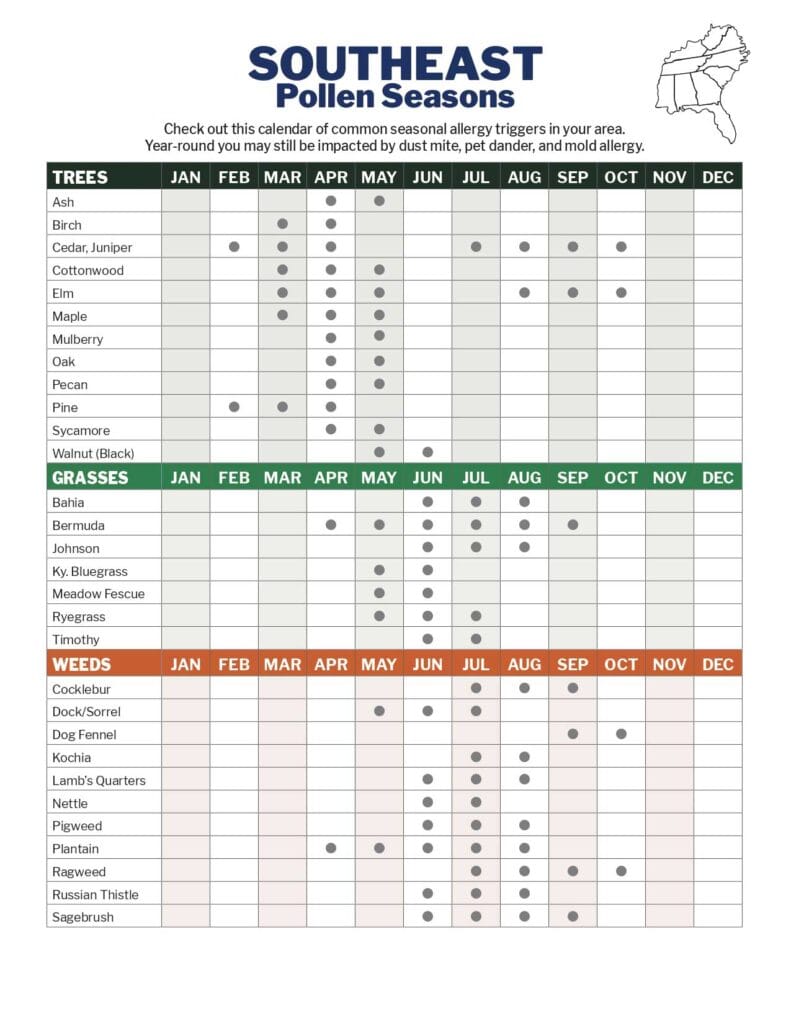
Unlike some regions that experience allergy relief during certain seasons, Raleigh residents contend with allergens virtually year-round:
- Spring: Tree pollen (oak, pine, birch)
- Summer: Grass pollen and mold spores
- Fall: Ragweed and other weed pollens
- Winter: Indoor allergens intensify as homes are sealed against the cold
2. Understanding Allergies: The Basics
The Allergic Response Mechanism 😤
Allergies are an overreaction of the immune system to substances that are harmless to most people. When a person with allergies encounters an allergen—whether it’s pollen, dust mites, mold spores or pet dander—their immune system produces antibodies called Immunoglobulin E (IgE).
These IgE antibodies trigger the release of inflammatory chemicals, primarily histamine, which cause the familiar symptoms of allergic reactions:
- Nasal passages: Congestion, runny nose and extra mucus
- Eyes: Redness, itchiness and watering 👀
- Respiratory system: Narrowed airways that can make breathing harder for some people
- Skin: Itching, hives or rashes
Allergen Threshold and Cumulative Effect
Many allergy sufferers notice that symptoms build up when exposure adds up: a high pollen day, a dusty room and a pet on the couch can together be more noticeable than any one of them alone.
That is why the home environment matters. When outdoor pollen is already high, as it often is in Raleigh, it makes sense to keep indoor sources of dust and debris—including buildup inside the HVAC system—under control.
Why Allergies Deserve Attention
Allergic rhinitis (hay fever) is more than an inconvenience. Ongoing allergy symptoms can affect:
- Sleep: Nasal congestion can make it harder to sleep well 😴
- Daily comfort: Sneezing, itchy eyes and congestion can make busy days harder
- Focus: Many people find it harder to concentrate when symptoms flare 🧠
- Other conditions: Allergies can make existing respiratory conditions harder to manage
- Medical care: Persistent symptoms are worth discussing with a doctor or allergist
3. How Dirty Ducts Affect Your Indoor Air
When dust, pollen, pet dander and debris build up inside your air ducts, your HVAC system can stir some of that material back into the air each time it cycles, especially when deposits are heavy or the filter is not sealing properly.
What Builds Up in Raleigh Ductwork
Every home is different. In some Raleigh homes we find only light dust; in others, especially after a renovation, with pets, or where return ducts leak, we find thick layers of debris, pet hair and construction residue.
The only way to know what is inside your system is to look. During a free inspection we show you the condition of your ducts so you can decide whether cleaning is worth it.
Allergen Particles and Their Behavior in HVAC Systems 🌸
Different allergens behave differently in ventilation systems:
- Dust mite allergens: These relatively heavy particles settle quickly. They are found mainly in bedding, carpets and upholstered furniture, and can also be part of household dust 🌫️
- Pollen: Pollen grains are relatively large. Many are caught by a good filter, but some get past it and settle on duct surfaces over time
- Mold spores: Spores are small and can stay airborne. Where there is persistent moisture in an HVAC system, mold can grow 🍄
- Pet dander: These tiny skin flakes can stay airborne for a long time and spread throughout the home. If you have pets at home, see our dedicated guide on duct cleaning for pet owners in Raleigh to understand the full impact on your indoor air quality. 🐾💨
Homeowners who call us about dusty ducts often mention:
- Dust coming from the vents when the system starts
- Furniture that gets dusty again soon after cleaning
- Musty or stale smells when the HVAC runs
- Dark streaks around supply registers
- Pet hair collecting at return grilles
- Weak airflow from some rooms
- Construction dust after a renovation
- Allergy symptoms that seem worse indoors
- Signs of rodents or insects near vents
- Not knowing when the ducts were last cleaned
Allergy symptoms have many possible causes, so if someone in your home has persistent or severe symptoms, talk to a doctor first. If you are also seeing dust or debris at the vents, a free duct inspection will show what is actually inside.
Multiple Allergen Sources
Many allergy sufferers react to more than one allergen—pollen, dust mites, pets and mold—so reducing several sources at once often makes the biggest difference.
This is particularly relevant in Raleigh, where outdoor allergens are abundant. Keeping the filter, the house and the ductwork clean addresses several indoor sources together.
4. How Professional Cleaning Removes Debris from Duct Systems
Particle Sizes
Airborne particles are often grouped by size:
- PM10: Particles less than 10 micrometers in diameter (pollen, mold spores)
- PM2.5: Particles less than 2.5 micrometers (some bacteria, fine dust)
- PM0.1: Ultrafine particles less than 0.1 micrometers (viruses, combustion products)
Professional duct cleaning works on what has settled inside the ducts: agitation tools loosen the deposits, and a HEPA-filtered vacuum collects them so they are removed from the home instead of being blown back into your rooms. Your HVAC filter then handles the particles still moving through the air.
5. Moisture, Mold and Treatment
Where moisture persists inside an HVAC system—on the coil, in the drain pan or on wet duct insulation—mold and bacteria can grow on the surfaces and hold on to dust and debris.
After cleaning, we can apply our sanitizing treatment, an EPA-registered product that helps control odors and inhibits the growth of mold, mildew and bacteria in the ductwork. When we find mold in the system, our HVAC mold remediation in Raleigh service removes it from the affected components and treats the system to help keep it from coming back.
6. Signs Your Raleigh Home Needs Duct Cleaning 🏠
If you notice any of these signs, it’s a good time to schedule a free duct inspection:
- Visible dust around vents – When you see dust particles blowing from your air vents or collecting around the vent covers
- Musty odors – Unpleasant smells when your HVAC system runs can point to moisture or mold in the system
- Recent renovation – Construction work creates significant dust that settles in ductwork
- Pest evidence – Signs of rodent or insect infestation in your vent system
- Never had ducts cleaned – If it has been roughly 8–12 years since your ducts were cleaned (or you don’t know)
- Allergy symptoms that seem worse indoors – Especially when you also see dust at the vents (and talk to a doctor about the symptoms)
- Inconsistent airflow – Reduced airflow from certain vents may indicate blockage from accumulated debris
If these signs sound familiar, our duct cleaning Raleigh page explains how our inspection works and what cleaning costs. Removing dust buildup from your ventilation system is a practical step toward a cleaner home.
For a comprehensive list of warning signs, review our detailed guide on the signs your air ducts need cleaning — including odors, dust patterns and airflow changes specific to Triangle area homes.
7. Allergy Management Through Environmental Control
The Allergy Management Pyramid
Allergists typically describe a step-by-step approach to allergy management:
- Avoidance: Reducing exposure to allergens (the foundation of management)
- Environmental control: Minimizing allergen reservoirs in the home
- Medication: Antihistamines, nasal steroids, etc.
- Immunotherapy: Allergy shots or sublingual tablets
Medication and immunotherapy are decisions for you and your doctor. Reducing allergens in the home—the first two steps—is something every household can work on.
Clean filters, regular housecleaning and clean ductwork all help with that second step by reducing dust reservoirs in the home. The EPA notes that duct cleaning has not been shown to prevent health problems, and recommends it when there is visible mold growth, signs of rodents or insects, or excessive dust and debris coming from the vents.
Homes with Children 👦👧
Parents of children with allergies often want to reduce dust at home. Children:
- Spend a lot of time indoors and close to the floor
- Breathe more air for their body size than adults
- Often play on carpets and upholstered furniture where dust collects
- Benefit from a care plan agreed with their pediatrician
Follow your pediatrician’s advice for your child’s allergies. For the home itself, fresh filters, regular cleaning of bedding and floors, and checking the ducts when you see dust at the vents are simple steps.
8. The DuctNClean Difference for Raleigh Homeowners 🌬️
At DuctNClean, we specialize in thorough air duct cleaning for Raleigh area homes. Every job is done by our own trained technicians, and DuctNClean is fully insured. We use professional equipment to remove accumulated dust, pollen, pet hair and debris from your supply and return ducts.
Our cleaning process includes:
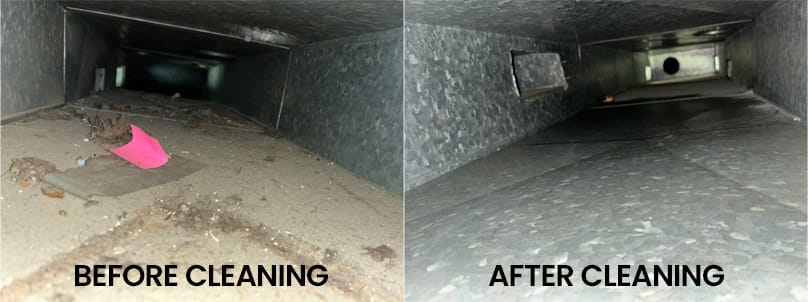
- Free inspection of your duct system, with photos of what we find
- High-powered, HEPA-filtered vacuum equipment
- Thorough cleaning of all supply and return ducts
- Cleaning of registers, grilles and diffusers
- Optional sanitizing treatment that helps control odors and inhibits mold, mildew and bacteria growth
- Before and after photo documentation
The Technical Process
Our cleaning method combines agitation and vacuum collection:
- Point-of-contact cleaning: We use specialized mechanical agitation tools at each vent and access point to dislodge accumulated debris
- Powerful vacuum collection: Our high-powered HEPA-filtered vacuum system removes dislodged debris as it is agitated, so it is collected instead of resettling elsewhere in your home
- Thorough agitation methods: We use rotary brushes, air whips and pneumatic agitation tools to loosen deposits from the duct surfaces
- Complete duct approach: We clean the supply and return ducts, registers, grilles and diffusers included in your written quote
- Sanitizing treatment: After cleaning, we can apply an EPA-registered treatment that helps control odors and inhibits mold, mildew and bacteria growth; if we find active mold, our HVAC mold remediation service removes it
- Filtration advice: We can recommend a filter that fits your allergy concerns and what your HVAC system can handle
What Raleigh Residents Notice After Professional Cleaning
- Less dust coming from the vents
- Furniture that stays clean longer
- Fresher-smelling air when the system runs
- Better airflow where debris was restricting it
- Pet hair and construction dust removed from the system
- Peace of mind from seeing the before-and-after photos
- A cleaner starting point for families who want less dust in the house
- Results that vary from home to home (duct cleaning is not a medical treatment)
Long-Term Advantages
- Airflow restored where debris was blocking it
- Less dust buildup on the HVAC components downstream
- Reduced household dust
- Fewer odors from trapped debris
- A cleaner system for your family
- Early detection of moisture, mold or pest problems during the inspection
- A documented cleaning record, useful when selling the home
9. Raleigh’s Unique Allergen Calendar
Understanding the timing of Raleigh’s allergen seasons can help you plan filter changes and a convenient time for duct cleaning:
January-February
- Indoor allergens predominate
- Dust mites and pet dander become more noticeable in closed-up homes
- Occasional mold spores from indoor sources
March-May
- Heavy tree pollen (oak, pine, cedar, birch)
- The season often starts early in North Carolina
- The yellow pollen layer is a good reminder to check your filter often
June-August
- Grass pollen peaks
- Mold spores increase with humidity
- Long AC run times load filters faster
September-November
- Ragweed and other weed pollens dominate
- Fall leaf mold becomes more noticeable outdoors
- Outdoor mold spores are common in damp fall weather
December
- Return to indoor allergen dominance
- Holiday decorations from storage can bring dust indoors
- Closed homes increase concentration of indoor allergens
From downtown to suburbs like North Raleigh and Brier Creek, pollen levels spike every spring — a good reason to check your filter often and have your ducts inspected if you see dust at the vents.
10. When Should Raleigh Residents Schedule Duct Cleaning?
If you are planning a cleaning, these are convenient times in our local climate:
- Early spring (February-March): Before the heavy pollen season begins
- Early fall (September-October): Before you close up the house for winter
However, if you notice any of the warning signs mentioned above, don’t wait for these windows—call DuctNClean for a free inspection. To learn more about timing, review our guide on how often Raleigh homes should have duct cleaning based on local climate and household factors.
We recommend air duct cleaning every 8 to 12 years, sooner after a renovation, with pets, or if you see dust or debris coming from the vents. Allergy-prone households may want an inspection sooner to see whether buildup is present.
11. What the Experts Say About Duct Cleaning
Here is a fair summary of what public guidance says:
- The EPA recommends duct cleaning when there is visible mold growth, signs of rodents or insects, or excessive dust and debris coming from the supply registers
- The EPA also notes that duct cleaning has not been shown to prevent health problems, so it should not be sold as a medical treatment
- Allergists commonly recommend reducing indoor allergen sources, including dust, as part of allergy management
- Keeping filters fresh and controlling moisture are widely recommended for every home
Integrating Professional Cleaning into a Comprehensive Allergy Management Plan
Our trained technicians use powerful HEPA-filtered vacuums and professional agitation tools to remove debris from your ductwork—without spreading dust or debris inside your home.
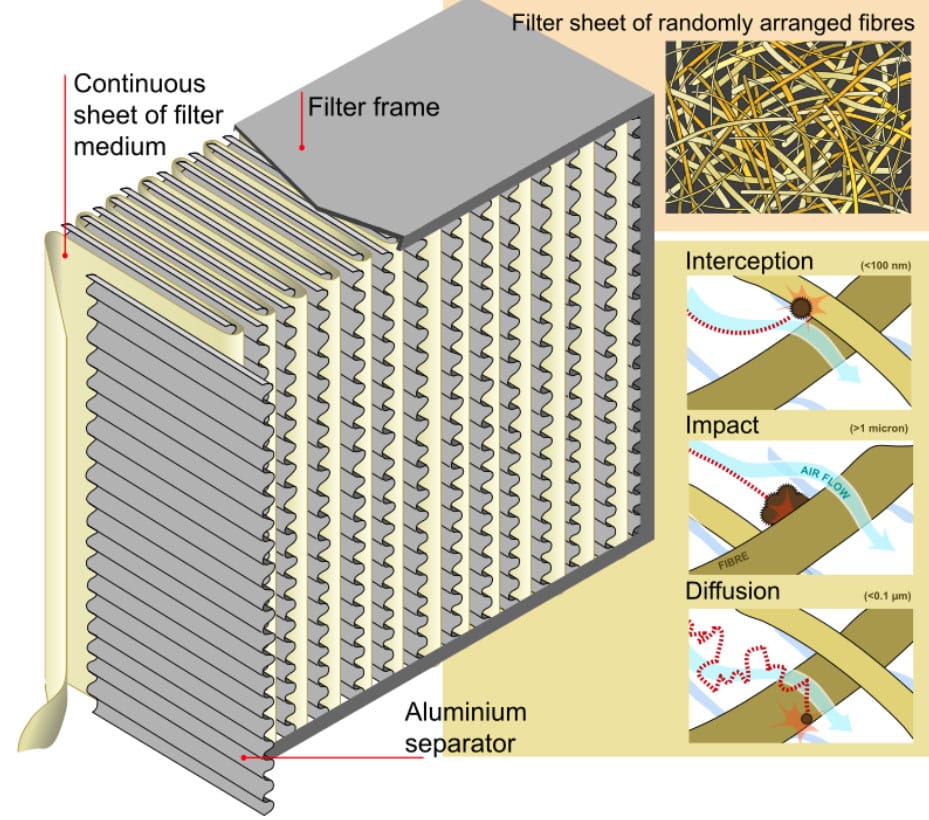
For Raleigh residents with allergies, professional duct cleaning fits into a broader home-care routine. Learn how duct cleaning fits into full system care in our guide on HVAC maintenance and duct cleaning in Raleigh.
- Inspection and cleaning: Professional service to remove accumulated dust and debris from the ducts
- Improved filtration: A higher-efficiency filter (such as MERV 11–13) if your HVAC system can handle it
- Regular maintenance: Duct cleaning roughly every 8–12 years, or sooner when an inspection shows buildup
- Humidity control: Maintain indoor humidity between 30-50% to discourage dust mite and mold growth
- Complementary measures: Consider air purifiers, dust mite covers and routine household cleaning
Conclusion: Breathe Easier with DuctNClean
Raleigh’s pollen seasons and humid climate make filter care, moisture control and clean ductwork an important part of home maintenance. Professional duct cleaning removes the dust and debris that build up inside your HVAC system over the years.
At DuctNClean, we’re committed to helping Triangle residents keep their homes cleaner with thorough, honest service. Don’t let years of buildup keep circulating through your home.
We also provide air duct cleaning in Cary, Apex, and Wake Forest. Explore all our Triangle service areas.
Contact DuctNClean today to schedule duct cleaning in Raleigh, NC. Call us at 984-301-8445 for your free inspection and written quote.
Want to learn more about keeping your HVAC system clean throughout the year? Explore our Raleigh air duct cleaning tips and homeowner guides for practical advice on dust buildup, filtration, seasonal maintenance and when professional duct cleaning may be appropriate.
Frequently Asked Questions: Duct Cleaning for Allergy Relief in Raleigh, NC
1. Can duct cleaning help with allergies?
Duct cleaning removes dust, pollen, pet dander and debris that have built up inside your HVAC ducts, which can reduce one indoor source of allergens. The EPA notes it has not been shown to prevent health problems, so we don’t promise symptom relief; for allergy symptoms, talk to your doctor.
2. How often should I get my ducts cleaned if I have allergies?
We recommend air duct cleaning every 8 to 12 years, sooner after a renovation, with pets, or if you see dust or debris coming from the vents. Allergy-prone households may want an inspection sooner to check for buildup.
3. What allergens can build up in air ducts?
Common allergens include pollen, pet dander, dust mites and mold spores, all of which can circulate through your home if not removed.
4. Is duct cleaning safe for people with asthma or respiratory issues?
Yes. We use HEPA-filtered vacuum collection so loosened debris is captured rather than spread through the home. Duct cleaning is not a medical treatment, so people with asthma should follow their doctor’s advice.
5. What’s the best time to schedule duct cleaning in Raleigh?
Early spring (before pollen peaks) and early fall (before closing up the house for winter) are convenient times, but don’t wait if you see dust at the vents, smell musty odors or have just finished a renovation.
The information provided in this article is for educational purposes only and should not be considered medical advice. Always consult with a healthcare provider for diagnosis and treatment of medical conditions.